Common Questions
Pick a category — written answer plus the Ceramic Pro video for each.
What is ceramic coating?
Ceramic Pro 9H is our flagship heavy-duty, permanent protective coating. It has a glossy, hydrophobic finish that lets water and other liquids bead off the surface easily, protecting your paint from staining, UV damage, bugs, dirt, and debris. The protective finish not only guards the paint but makes washing incredibly easy — dirt and grime slide right off, and aggressive scrubbing isn’t required. Full answer →
 ▶
▶How long does ceramic coating last?
A ceramic coating can last anywhere from 6 months to a lifetime. The longevity of a ceramic coating largely depends on the quality of the product used, the application process, and the care taken to maintain it. A high-quality, layerable coating will last a few years with proper maintenance. Check our Ceramic Pro Packages to discover what is the best option for your car. Full answer →
 ▶
▶How long does it take to install ceramic coating on my car?
All our Ceramic Pro Coating Packages includes a whole preparation process before the coating installation: Premium exterior wash, Chemical decontamination, 1-Step Finest polish Timing to properly perform the coating installation may vary depending on the vehicle size and Ceramic Coating package selected. Estimated installation time: - Bronze Package (2-Year Warranty) - 1 / 2 day - Silver Package (5-year Warranty) - 2/ 3 days - Gold Package (Lifetime Warranty) - 3 / 4 days - Ion Pack (7-year Warranty) - 1/2days - Ultimate Ion (Lifetime Warranty) - 2/3 days THIS LEVEL OF SLICKNESS, PROTECTION AND DURABILITY IS ONLY FOUND IN CERAMIC PRO COATINGS
How do the warranties work?
Enjoy the benefit of a CARFAX Documented warranty for each package sold, and you’ll quickly discover that choosing Ceramic Pro coatings and PPF is a true investment that can improve your vehicle’s resale value. CERAMIC PRO is the only nationwide paint protection Brand to earn the title CARFAX Certified. This means every service we perform is listed on your CARFAX report, which increases resale value and helps with insurance claims.
What can a ceramic coating protect against?
Ceramic coatings protect against environmental contaminants. It provides resistance to UV rays, preventing oxidation and fading over time. Ceramic coatings protect against staining, road salts, bird droppings, and tree sap. When installed, the coating creates a chemical-resistant surface, making it easier to clean. Ceramic coatings provide a high level of hydrophobic protection, allowing for water to bead up and roll off the surface, reducing the likelihood of water spots and mineral deposits forming on the paint – this is important in areas with hard water.
Does the quality of a ceramic coating really matter?
A high-quality coating matters significantly for a vehicle’s maintenance and overall appearance. Higher-quality coatings provide superior durability and forms a stronger, and more resilient bond with your vehicle’s paint. This creates a robust layer that can withstand environmental contaminants and UV rays far more effectively and for a longer period of time. Higher-quality coatings are also far more resistant to chemicals than cheaper and lower-quality coatings. This means that higher quality coatings ensure that your paint is truly protected from contaminants, long-term.
What is the difference between DIY and professional ceramic coatings?
Professional-grade ceramic coatings, which are applied by experienced detailers, tend to last longer than consumer-grade products. Professional-grade products typically offer superior protection against environmental contaminants, and UV rays due to the higher concentration of certain ingredients in professional coatings. Professional coatings are engineered to be layerable, allowing for longer-lasting protection. On the other hand, DIY coatings offer less durability, often needing reapplication after a few months.
How do I maintain a ceramic coating?
Maintenance is important in determining how long a ceramic coating will last. Regular maintenance using pH-neutral soaps, avoiding abrasive cleaning methods, and periodic maintenance with products designed to work with ceramic coatings can extend the life of the coating. With professional coatings, annual inspections are necessary to extending the longevity of your coating.
What products can I use to maintain my ceramic coating?
Using an aftercare soap, like Americana Global Ceramic Aftercare Soap, that has been formulated to work with professional-grade nano ceramic coatings. This soap in particular, is a pH-neutral formulation with aggressive surfactants that remove contaminants that settle on ceramic coatings, leaving behind a crisp and clean surface. This Ceramic Aftercare Soap allows the ceramic coating to maintain and showcase its hydrophobic and protective qualities.
What are the things I need to avoid when the ceramic coating is done?
After getting a Ceramic Pro installation, you should avoid: Automatic car washes: The brushes can scratch the coating; always hand wash your car instead. Harsh chemicals: Do not use abrasive cleaning products, waxes, or polishes that could damage the coating. Letting water dry on the surface: This includes tap water, which can leave mineral spots; always dry your car thoroughly after washing. Parking under trees: Bird droppings, sap, and pollen can damage the coating if left on for too long. Abrasive cleaning methods: Avoid using rough sponges, dirty microfiber cloths, or aggressive drying techniques. DIY detailing practices: Unless you are very experienced, avoid attempting to polish or wax your ceramic coated car yourself. Not using dedicated car wash products: Use a pH-balanced car wash soap specifically designed for ceramic coatings.
Can I DIY a ceramic coating on my car?
You can — but doing it right takes four crucial steps: decontaminate the paint, correct it, apply the coating, then level it after it flashes. You'll need an applicator sponge, at least two microfiber towels, and a clean, controlled environment. The key is an even coat with no streaks or high spots, worked in small sections. The biggest factor is prep: if you don't properly decontaminate and paint-correct first, the coating won't look right or perform as intended — which is exactly why most owners choose a professional install. Full answer →
 ▶
▶Ceramic coating vs wax — what's the difference?
Wax was the gold standard for over 50 years — it's inexpensive and adds a nice depth of shine, but you have to reapply it every one to two months. Ceramic coating creates a much tougher defense against what actually matters: UV damage, bug splatter, tree sap, oxidation, bird droppings, heat and harsh car-wash detergents. It delivers a high-gloss shine that doesn't fade, makes water bead off for low-maintenance cleaning, and lasts up to seven years — or a lifetime with proper maintenance. It comes down to your priorities and budget. Full answer →
 ▶
▶What is the best ceramic coating?
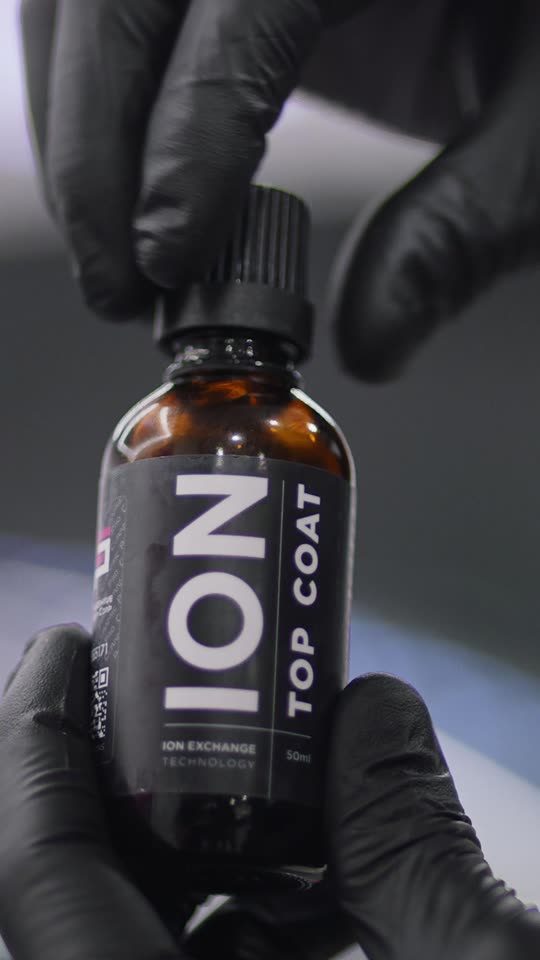
Ceramic Pro ION, hands down. Nano-ceramic coatings have become the standard for protecting paint, and Ceramic Pro ION takes it further with ion-exchange technology. It's the first multi-layer ceramic coating built as a two-component system: the base coat bonds permanently to your paint, while the top coat exchanges ions with the base to create a coating that's harder, thicker and more durable than traditional layered coatings. For durability, stain resistance and a hydrophobic effect that lasts, ION stands above the rest. Full answer →
 ▶
▶How do you remove a paint scratch?
It starts with assessing the scratch. We wash with soap, water and a soft microfiber towel to lift loose contaminants, then use a clay bar with a specialized lubricant to pull out contaminants embedded in the clear coat. Next comes machine polishing — a dual-action polisher with a foam pad and the right cut compound, worked slowly in a crosshatch pattern, then wiped down with a paint-safe microfiber towel. Done correctly, swirls and light scratches come right out, restoring the finish across the whole vehicle. Full answer →
 ▶
▶What is PPF?
Paint protection film, also known as clear bra, clear wrap, or paint shield, is a transparent yet resilient film applied seamlessly to your vehicle’s exterior. PPF effectively shields your car’s paint from a variety of hazards, including bird droppings, UV-ray exposure, bug splatters, as well as chips and scratches caused by road debris and rocks. The top layer of this urethane film features “self-healing” properties through elastomeric polymers, reverting to its pristine, pre-incident condition, even when scratched.
PPF vs Ceramic Coating
They protect in different ways — and many clients get both. PPF is a transparent film applied over your paint that acts as a physical barrier against scratches, road debris and rock chips, with self-healing properties — minor scratches disappear with heat. Ceramic coating is a liquid-glass barrier that adds hydrophobic, self-cleaning properties plus a deep glossy finish, but it doesn’t stop rock chips the way film does. PPF gives physical impact protection; ceramic gives gloss and easy cleaning. The strongest protection combines both. Full answer →
 ▶
▶What are the benefits of paint protection film?
Paint protection film protects your vehicle from scratches, rock chips, staining, corrosion, fading, chemicals, insects, and road debris. It helps keep your paint looking like new, saving you money and improving your resale value. A good quality PPF has self-healing properties that allow small scratches to disappear with the application of heat. Full answer →
 ▶
▶How much does PPF cost?
It varies with the size of your vehicle, the quality of the film, and how many panels you cover — each panel is individually cut and stretched to its contour. A high-quality full-body installation starts at $4,990 on a compact vehicle and runs to about $6,490 on larger vehicles needing full coverage. A partial kit is far more accessible — a full front starts at $1,799 and a partial front at $899. Start with the high-impact areas that need the most protection and build from there. Full answer →
 ▶
▶Is PPF worth it?
It comes down to peace of mind and how long you plan to keep the car. PPF protects against rock chips, scratches, oxidation and UV rays — the kind of damage that can significantly drop your trade-in value. It isn’t bulletproof, but it prevents most paint damage. One thing to avoid is cheap film with no warranty: it yellows over time, lets rocks through, and ends up costing thousands to replace early. Quality film protects both your paint and your resale value. Full answer →
 ▶
▶Why is PPF so expensive?
To better understand the price tag of PPF, we need to talk about what goes into the installation process. PPF installation requires thorough prep work in order to ensure that all dust and debris has been removed. This allows the film to properly adhere to the applied surface. Each piece of PPF is custom cut to fit each panel of your vehicle and provide maximum coverage. The quality of the film and the quality of the installation are what gives paint protection film a high price tag. Full answer →
 ▶
▶How important is a good paint protection film installation?
The more skilled the installation is, the longer your film will last. A highly skilled technician will likely wrap the edges of the film around each panel of your vehicle, providing a seamless appearance and longer lasting protection. When the edges are tucked, it reduces the likelihood that the film will lift.
What does the Ultimate Armor package include?
The Ultimate Armor package is our best-selling combination of Ceramic Pro PPF and coatings. Paint protection film goes on the front nose and high wear-and-tear areas, Ceramic Pro coatings are installed over the entire exterior and on top of the film, and Ceramic Pro Glass plus Wheel & Caliper coatings finish every surface — layered protection with a lifetime warranty. Full answer →
 ▶
▶How long does PPF last?
Paint protection film typically lasts five to ten years or more. Three things decide it: the quality of the film, the quality of the installation, and how you maintain the car afterward. It's not install-and-forget — regular washes with PPF-friendly products keep it looking new, and an annual professional inspection makes sure every panel stays fully covered and protected. Always go to an experienced installer whose film comes with a warranty. PPF isn't forever, but with the right maintenance it's the best way to keep your vehicle looking like new. Full answer →
 ▶
▶Can you ceramic coat over PPF?
Yes — and we highly recommend it. If you know you won't be washing the car every month, adding a ceramic coating on top of your paint protection film buys you time and protection. PPF alone is excellent against physical damage like rock chips; a ceramic coating adds a glossy, hard barrier that also handles chemical damage — especially acidic contaminants like bird droppings that can etch the paint if left too long. Together, film plus coating gives you the most complete, lowest-maintenance protection. Full answer →
 ▶
▶How long does Ceramic Pro Urban last?
It's warrantied for 10 years against yellowing, cracking, and peeling.
How is it different from premium Ceramic Pro PPF?
Urban is the smart-value tier with a 10-year warranty. Premium Ceramic Pro PPF adds a thicker, ceramic-coated film and a Lifetime Warranty. Both use a Clear MAX self-healing top coat and both are installed by our certified team.
Which package should a daily driver get?
Most start with Partial or Full Front — that's where nearly all the rock chips land.
Can I wash it normally?
Yes, and the slick, hydrophobic surface makes washing easier.
Is it worth it?
One rock-chip repaint can cost more than the package. It protects your paint and your resale value.
Vinyl wrap or PPF color change — which should I choose?
Colored PPF (Ceramic Pro SHIFT) gives you color AND rock-chip protection in one film — it costs more than vinyl but does two jobs. Vinyl wrap offers far more colors and finishes at a lower price. We install both and quote both so you can compare side by side. See our PPF color change page for SHIFT details.
How much does it cost to wrap a car in Miami?
Full color change wraps at Elite start at $3,000 for a compact, $3,500 for a standard sedan, $3,800 for an SUV and $3,950 for a large SUV. The final price depends on the film you choose — 3M, Avery Dennison, Inozetek or Hexis — and the finish. Book a free inspection and we quote your exact car with the exact film in hand.
Is a wrap better than repainting my car?
For most drivers, yes. A wrap is reversible — your factory paint stays untouched underneath, which matters for resale value and factory finish. It installs in days, not weeks, and when you want the next look you remove or swap it. A respray is permanent, and on a healthy factory finish it usually lowers the car’s value rather than raising it.
How long does a car wrap last in Florida?
Quality film professionally installed lasts 5–7 years in Florida with reasonable care. Garage parking and hand washing extend it; harsh sun exposure and automatic car washes shorten it. Adding a ceramic coating on top of the wrap makes washing easier and helps the finish last.
Does a wrap damage my paint?
No — it protects it. The vinyl shields the factory paint from UV and light abrasion the entire time it is on the car. On healthy factory paint, removal is clean. That is why wrapped cars often resell better: the original paint has been covered the whole time.
Which car wrap brands do you install?
We install 3M, Avery Dennison, Inozetek and Hexis vinyl, and we are certified with Evolve Films. Every brand has its own color and finish catalog — gloss, satin, matte, color-flip, textured — and we help you compare them on a physical sample before committing your car.
What is a chrome delete?
A chrome delete wraps the factory chrome trim — window surrounds, grille accents, badges — in gloss or satin black for a cleaner, more modern look. It is one of the most popular partial wrap services we do, and it is fully reversible.
Can I wrap just the roof, mirrors or accents?
Yes. Roof wraps, hoods, mirrors, spoilers and accent packages are all available on their own. Partial wraps are a popular way to change the car's attitude without a full color change budget.
Do you offer financing on car wraps?
Yes — 0% financing for 12 months with Synchrony, on every service. Approval takes minutes and you can check if you pre-qualify without impacting your credit score. See our financing page for details.
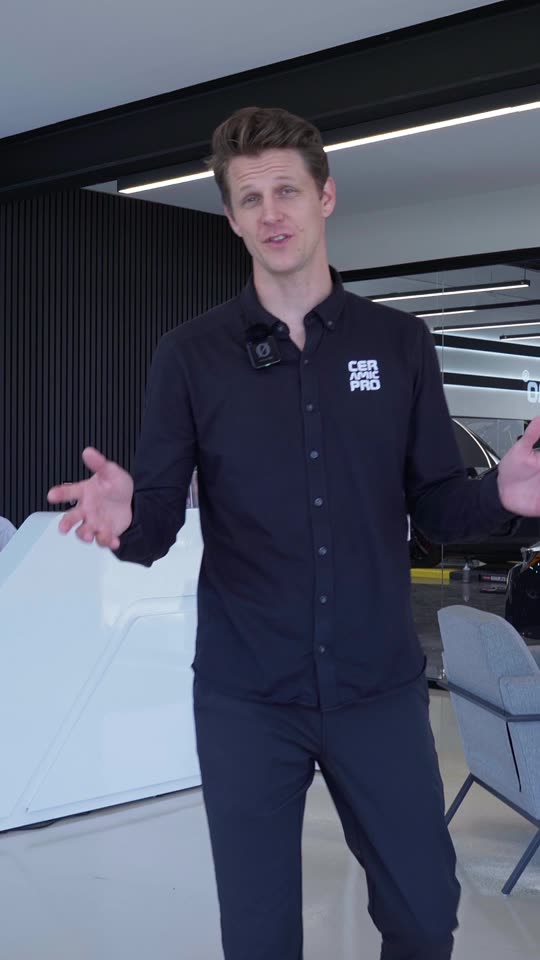
What is window tint VLT (visible light transmission)?
Window tint darkness is measured as VLT — visible light transmission, the percentage of light let through your windows. The lower the number, the darker the tint: 5% is very dark, 50% lets about half the light through, and films range from about 5% up to 80%. One thing most people don't know: clear automotive glass already measures around 70–75% VLT on its own, so the legal reading is the combination of your glass plus the film. Every state has different legal limits, so check your local laws before choosing a shade.
 ▶
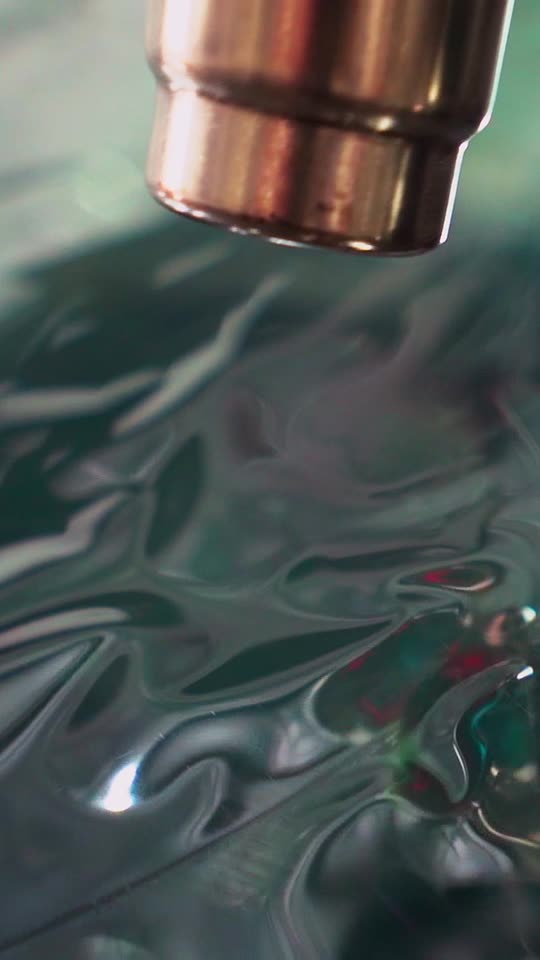
▶Is ceramic tint better than regular tint?
Window tint is about more than looks — it's comfort, protection and efficiency. Ceramic tint is a top-tier film: it blocks up to 99% of UV rays, rejects solar heat without darkening your visibility, won't fade or change color over time, and causes zero signal interference. Regular dyed or metallic films are more budget-friendly and still block some heat and UV, but they can fade, discolor, and interfere with cell or GPS signal. Ceramic costs more upfront but delivers the best performance and saves you money long term.
 ▶
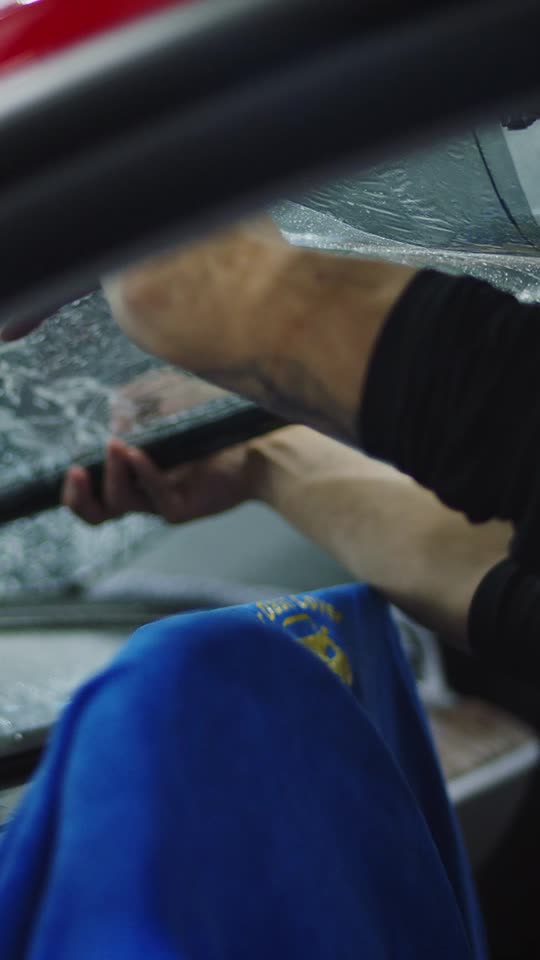
▶How long does ceramic window tint last?
A quality ceramic film lasts a very long time — often backed by a lifetime warranty. The difference is the warranty and the film quality: cheap big-box or DIY films typically last only one to two years and rarely carry a warranty. To maximize its life, have it professionally installed and clean it regularly with ammonia-free products. Ceramic tint is still a thin film that can be damaged — if it is, it still works but may need replacing for looks. For its heat rejection and clarity, it's well worth it.
 ▶
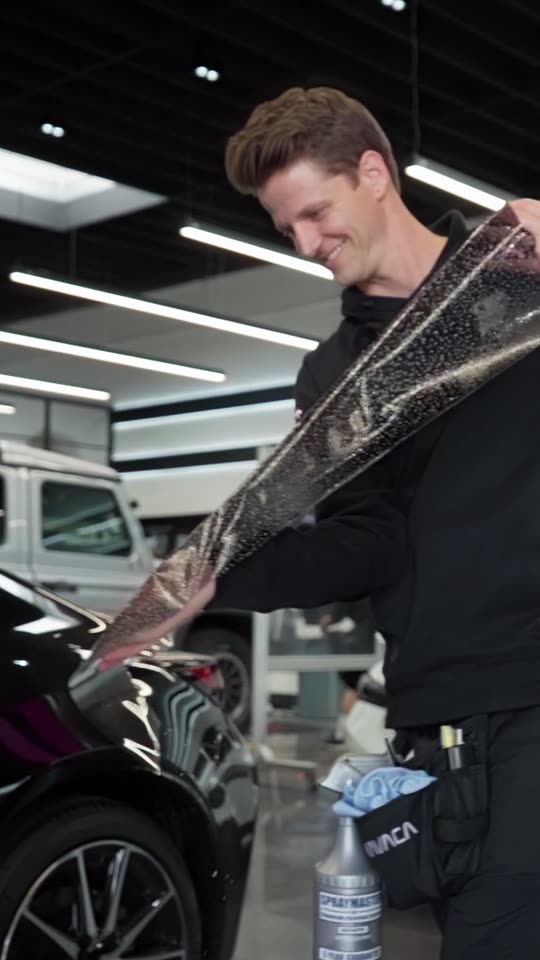
▶What should I do after getting my windows tinted?
A few simple steps: don't roll your windows down for three to five days (48 hours is usually enough on hot days) so the film doesn't shift or peel. It's normal to see water pockets, small bubbles, haziness or an orange-peel texture at first — that's the adhesive curing and bonding to the glass, and it clears up on its own. When you clean, use a soft microfiber towel and an ammonia-free cleaner; ammonia and harsh chemicals damage the film. Keep it simple and gentle.
 ▶
▶What is windshield protection film?
A multi-layer, optically clear film bonded to the outside of your windshield that shields it from rock chips, road debris and pitting — invisible armor for your glass. On modern cars, where cameras, sensors and heating elements are built into the windshield, it can save you from a very expensive replacement.
Is the film installed on the inside or outside of the windshield?
On the exterior surface, so it absorbs impacts from rocks and road debris before they ever reach the glass — real protection without affecting visibility or driving safety.
How does the film protect my windshield?
It absorbs the impact of stones, gravel and debris that would otherwise crack or chip your glass, helping you avoid a costly repair or a full windshield replacement. On South Florida highways like I-95 and the Turnpike, that adds up fast.
Will it affect my visibility while driving?
No. The film is optically clear and engineered to stay perfectly transparent — no distortion, glare or visual obstruction, day or night.
Does the film block UV rays?
Yes. It helps block harmful UV rays, protecting your interior from sun damage and fading and making for a more comfortable drive.
Will it help in an accident?
It doesn't make your windshield unbreakable, but it reinforces the glass and helps it stay intact longer during an impact, which can reduce the risk of shattering.
How long does windshield protection film last?
With professional installation and proper care it offers long-lasting protection. Exact lifespan varies with driving conditions and exposure, but high-quality film is built for durable, everyday performance.
Will my wipers scratch the film?
No — it's engineered to withstand normal, everyday wiper use. Like any exterior surface it can show wear over time, especially with old, damaged or dirty blades, so keeping your wipers in good shape and your windshield clean helps it last and stay clear.
Every question, answered.
PPF, ceramic coating, tint, wraps: what each one costs, how long it lasts, what it stops and what it does not, in plain English, with a short video on most of them. Prefer to talk it through? Call us and in five minutes you will know what your car needs.
Paint Protection Film 42 questions
▶ VideoHow long does PPF last?Paint protection film typically lasts five to ten years or more. Three things decide it: the quality of…Read the answer →
▶ VideoIs PPF worth it?It comes down to peace of mind and how long you plan to keep the car. PPF protects against rock chips,…Read the answer →
▶ VideoWhat are the benefits of paint protection film?Paint protection film protects your vehicle from scratches, rock chips, staining, corrosion, fading,…Read the answer →
▶ VideoHow much does PPF cost?It varies with the size of your vehicle, the quality of the film, and how many panels you cover — each…Read the answer →
▶ VideoPPF vs ceramic coating: which one do you need?They protect in different ways — and many clients get both. PPF is a transparent film applied over your…Read the answer →
▶ VideoWhy is PPF so expensive?To better understand the price tag of PPF, we need to talk about what goes into the installation…Read the answer →
▶ VideoCan you ceramic coat over PPF?Yes — and we highly recommend it. If you know you won't be washing the car every month, adding a ceramic…Read the answer →
▶ VideoWhat does the Ultimate Armor package include?The Ultimate Armor package is our best-selling combination of Ceramic Pro PPF and coatings. Paint…Read the answer →
 ▶ Video
What is the downside of PPF?Three real downsides: the price, the fact that a bad install shows (edges, dirt, stretch marks), and…Read the answer →
Is it cheaper to wrap or PPF a car?A color-change wrap is usually cheaper than full-body PPF, but they do different jobs. Wrap changes the…Read the answer →
Is matte PPF better than a matte wrap?For a car you drive, yes. Matte PPF is twice as thick, self-heals and does not stain the way matte vinyl…Read the answer →
Can I go through a carwash with PPF?Touchless, yes. Brush or cloth automatic washes, no. The brushes drag grit across the film and scuff the…Read the answer →
Should you get paint protection on a new car?Yes, and the first month is the best time. New paint is thin, soft and perfect; film locks that in…Read the answer →
 ▶ Video
Is dealership paint protection worth it?Usually not. Most dealership "paint protection" is a spray sealant applied by the detail lane, sold at a…Read the answer →
What are the drawbacks of colored PPF?Fewer colors than vinyl, a higher price than a wrap, and a finish that is a film, not paint: you can see…Read the answer →
 ▶ Video
What are the negatives of PPF?Cost, installer dependence, and a finite lifespan. Those are the negatives. Yellowing, peeling, orange…Read the answer →
Is Ceramic Pro PPF any good?Yes. Ceramic Pro PPF is an 8.5 mil aliphatic polyurethane film with a self-healing, hydrophobic topcoat…Read the answer →
Can PPF be done on a matte finish?Yes, with matte PPF. Clear gloss film on matte paint would make it shiny; matte PPF keeps the factory…Read the answer →
How much does it cost to install PPF on a Tesla Model Y?A Model Y is a medium vehicle in our matrix: Partial Front $1,099, Full Front $2,199, Track Package…Read the answer →
 ▶ Video
Should I get paint protection from the dealer?No. Buy the car from the dealer and bring it to a specialist for protection. The dealer package is…Read the answer →
 ▶ Video
What are the disadvantages of paint protection film?It costs more than a coating, it depends on the installer more than any other product we sell, and it…Read the answer →
Is XPEL the best PPF?XPEL is the most advertised PPF brand. On the numbers, Ceramic Pro PPF is thicker at 8.5 mil, carries a…Read the answer →
Will XPEL PPF turn yellow?Any film can yellow if the chemistry is wrong: early aromatic urethane did, and cheap PVC film sold as…Read the answer →
Is PPF recommended for a Tesla?Strongly. Tesla paint is thin and soft, the front end chips in months, and the rockers get sandblasted…Read the answer →
Does PPF void a Tesla warranty?No. Paint protection film is a removable layer on top of the paint. Tesla's warranty covers the vehicle;…Read the answer →
 ▶ Video
Which brand of PPF is considered the best?The names you will hear are Ceramic Pro, XPEL, SunTek and STEK. On the numbers, Ceramic Pro PPF is the…Read the answer →
What is the best color PPF?The best colored PPF is a protection film with color, not vinyl with a protection claim: 8 mil of…Read the answer →
Does PPF damage paint when removed?Not factory paint, when it is removed properly. Film is designed to come off with heat and leave clean…Read the answer →
Can you remove PPF at home?You can, but it is slow, it needs a heat gun and patience, and on a resprayed panel it can pull the…Read the answer →
Is PPF hard to install?Yes. It is the hardest thing we do. Film is installed wet, stretched by hand around compound curves,…Read the answer →
Is it okay to put PPF on headlights?Yes, and we include headlights in every package starting with Partial Front. Modern headlights are…Read the answer →
How soon after PPF can I wash my car?Wait seven days. The film is installed with a slip solution and the adhesive needs that time to bond…Read the answer →
Should you put PPF on a leased car?Partial Front, yes. The front bumper and headlights are what get billed as excess wear at lease return,…Read the answer →
Why is my PPF getting yellow?Either it is cheap film reacting to UV, or it is contamination sitting on top of good film. The first…Read the answer →
How do you wash a vehicle with PPF?Like good paint, with two extra rules: no brush washes and nothing abrasive. Two buckets, pH-neutral…Read the answer →
 ▶ Video
What are the disadvantages of PPF?It costs more than a coating, the result depends heavily on the installer, and it is not permanent.…Read the answer →
 ▶ Video
What are the downsides of PPF on cars?Money, installer, lifespan. PPF costs more than a coating, it looks only as good as the person who…Read the answer →
Can PPF be removed easily?By a shop, yes: heat, a low angle, and it comes off in one piece per panel with clean paint behind it.…Read the answer →
Is a PPF car easier to clean?Yes, and much easier with a coating on top. Film is smoother than paint and its topcoat is hydrophobic,…Read the answer →
What is the highest quality PPF?The highest quality PPF passes five tests: aliphatic chemistry, 8 mil or more of urethane, a…Read the answer →
Are car dealer protection packages worth it?Almost never. The package is a sealant applied fast in a service lane, sold at a specialist price in the…Read the answer →
 ▶ Video
What is PPF?PPF is paint protection film: a clear, 7.5 to 8.5 mil urethane film applied to the painted panels that…Read the answer →
Ceramic Coating 25 questions
▶ VideoWhat is ceramic coating?Ceramic Pro 9H is our flagship heavy-duty, permanent protective coating. It has a glossy, hydrophobic…Read the answer →
▶ VideoHow long does ceramic coating last?A ceramic coating can last anywhere from 6 months to a lifetime. The longevity of a ceramic coating…Read the answer →
▶ VideoCeramic coating vs wax: what is the difference?Wax was the gold standard for over 50 years — it's inexpensive and adds a nice depth of shine, but you…Read the answer →
▶ VideoCan I DIY a ceramic coating?You can — but doing it right takes four crucial steps: decontaminate the paint, correct it, apply the…Read the answer →
▶ VideoWhat is the best ceramic coating?Ceramic Pro ION, hands down. Nano-ceramic coatings have become the standard for protecting paint, and…Read the answer →
What is the downside of ceramic coating?It does not stop rock chips, it locks in whatever is under it, and it still needs washing. Those are the…Read the answer →
What destroys ceramic coating?Abrasion and harsh chemistry. Automatic brush washes, aggressive polishing, strong degreasers, wheel…Read the answer →
 ▶ Video
Is ceramic coating even worth it?For a car that is washed at home or touchless, parked outside at least some of the time, and kept more…Read the answer →
What is the average cost to ceramic coat a car?Our Ceramic Pro packages start at $499 and go up with the warranty term and the vehicle size. Most daily…Read the answer →
Which ceramic coating brand is best?The best ceramic coating is a professional-only product with a package range, a manufacturer-backed…Read the answer →
 ▶ Video
What is better than ceramic coating for cars?For impact protection, paint protection film. It is the only product that stops rock chips. For…Read the answer →
Does ceramic coating work on glass?Yes, with a coating made for glass. Ceramic Pro Glass bonds to the windshield and side windows so rain…Read the answer →
How much does ceramic coating cost on wheels?Ceramic Pro Wheels & Calipers is an add-on to any coating package, quoted per car. Wheels off, faces and…Read the answer →
 ▶ Video
How much does a 7-year ceramic coating cost?Our 7-year package is Ceramic Pro ION. It is priced by vehicle size and paint condition, above the…Read the answer →
Does ceramic coating have a lifetime warranty?Two of ours do: Ceramic Pro Gold and Ultimate ION carry lifetime warranties registered with the…Read the answer →
 ▶ Video
Is it worth getting ceramic coating from a dealership?Rarely. Dealer coatings are usually applied fast in a service lane, without paint correction, and sold…Read the answer →
What are the disadvantages of ceramic coating?No protection from rock chips, permanent over any defect it is applied on, still needs proper washing,…Read the answer →
What are the negatives of ceramic coating?It does not stop chips, it is only as good as the paint under it, and it costs more than the bottle…Read the answer →
Does Tesla do ceramic coating?No. Tesla does not apply ceramic coatings at the factory or at service centers. Delivery centers…Read the answer →
Is it worth it to ceramic coat a Tesla?Yes. Tesla paint is thin and soft and lives outside more than most cars because of charging. A coating…Read the answer →
 ▶ Video
Should a new car be ceramic coated or not?Yes, and early. New paint needs the least correction and has the most to lose. A coating in the first…Read the answer →
Can you pressure wash a ceramic coated car?Yes. A pressure washer is one of the best tools for a coated car: most dirt lifts off with water alone.…Read the answer →
Can I run my ceramic coated car through a car wash?Touchless, yes. Brush or cloth automatic washes, no: they abrade the coating and shorten its life more…Read the answer →
Do ceramic coatings need maintenance?Yes, but less than the paint did. Proper washing, contamination removed within a day, and an annual…Read the answer →
Can I just rinse off my ceramic coated car?Often, yes. On a coated car, light dust, pollen and rain residue rinse off with a hose or pressure…Read the answer →
Window Tint 11 questions
▶ VideoWhat does VLT mean for window tint?VLT is visible light transmission: the percentage of light that gets through the glass and film…Read the answer →
▶ VideoHow long does window tint last?Good ceramic tint lasts the life of the car. Dyed film fades to purple and bubbles in a few Florida…Read the answer →
▶ VideoCeramic tint vs regular tint: what is the difference?Regular (dyed) tint blocks light. Ceramic tint blocks heat. Both can be the same darkness; only one…Read the answer →
▶ VideoHow do you take care of new window tint?Leave the windows up for three to five days, expect a little haze while the film cures, and never use an…Read the answer →
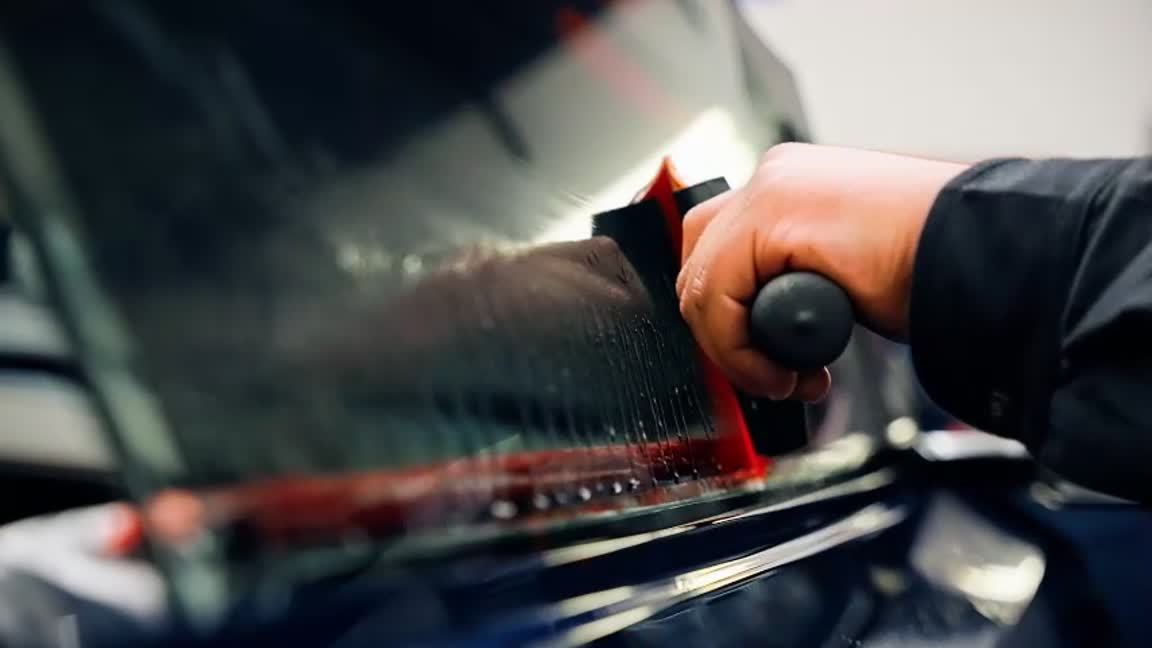
How much does it cost to get windshield protection film?Windshield protection film starts at $799 installed. It is an optically clear film on the outside of the…Read the answer →
 ▶ Video
How much should tint all around cost?With KAVACA Ultimate IR ceramic film, side windows start at $99 per window, and a full car is quoted…Read the answer →
 ▶ Video
What are the downsides of tinted windows?Reduced night visibility if you go too dark, a ticket if you go darker than Florida allows, and with…Read the answer →
What is the best windshield protector film for my car?A professional-grade exterior windshield protection film, installed by a shop, from $799. The consumer…Read the answer →
How much is a windshield tint ticket in Florida?Illegal tint in Florida is a non-moving violation. The fine is set by the county and usually runs around…Read the answer →
Is a 70% windshield tint worth it?Yes, if it is ceramic. A 70% IR-rejecting film looks almost clear, is legal in most states above the…Read the answer →
 ▶ Video
Is it worth it to tint your car?In South Florida, yes, if it is ceramic. Tint blocks up to 99% of UV, cuts the heat that ages the…Read the answer →
Vinyl Wrap 16 questions
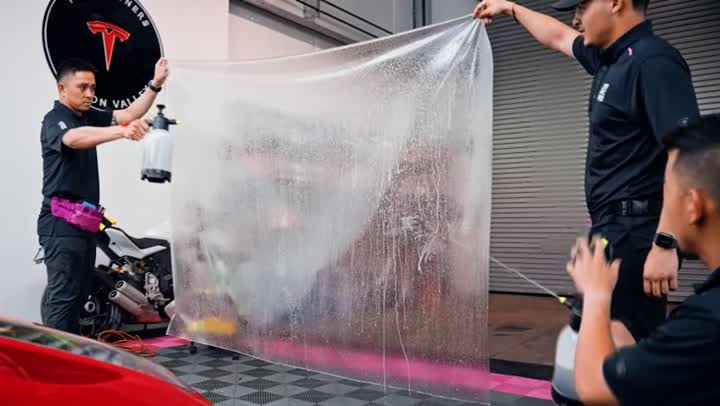
Is satin finish better than matte?For most cars and most owners, satin. It has the same flat look from a few feet away with a slight sheen…Read the answer →
What is the downside of wrapping a car?It is not paint: five to seven years of life, no rock-chip protection, and it shows a careless install…Read the answer →
What is the average cost of a car wrap?A full color change in branded film on a sedan or coupe runs into the low-to-mid thousands, and larger…Read the answer →
How much should a full wrap cost?Enough to pay for branded cast film, a full day or more of skilled labor with the trim off, and a bay…Read the answer →
Is matte black wrap worth it?It is the most popular color change we do and it looks right on almost anything. The trade: matte cannot…Read the answer →
How much does matte black wrapping cost?Matte black is priced like any standard-color full wrap: by vehicle size, film brand and how much trim…Read the answer →
How much does it cost to chrome delete a Tesla Model 3?A Model 3 chrome delete covers the window trim, door handles, side-camera housings and sometimes the…Read the answer →
How long does a chrome delete last?Five to seven years in Florida sun with branded cast film and proper washing, the same as any wrap. The…Read the answer →
How long do car wraps last vs paint?Paint, protected, lasts the life of the car. A wrap lasts five to seven years in Florida sun, then comes…Read the answer →
Is it cheaper to wrap a car vs. painting?A quality wrap is usually cheaper than a quality respray, and much faster: days instead of weeks. Cheap…Read the answer →
Is chrome delete worth the cost?For the visual change per dollar, it is one of the best things you can do to a car. Satin black over the…Read the answer →
How hard is it to chrome delete a car?Harder than it looks. Window trim has compound curves, tight radii and exposed edges, and the film has…Read the answer →
Is it worth wrapping a car with bad paint?It depends what "bad" means. Faded, swirled or scratched clear coat: yes, prep it and wrap it. Peeling,…Read the answer →
Is wrapping your car for money worth it?The "get paid to wrap your car" offers that arrive by text and email are almost all scams built around a…Read the answer →
Can a vinyl wrapped car go through a carwash?Touchless, yes. Brush and cloth washes, no: they catch edges, lift seams and dull the finish, especially…Read the answer →
Will my car lose value if I wrap it?No. A wrap is removable, and the factory paint under it has been protected from the sun for as long as…Read the answer →
Paint Correction 11 questions
▶ VideoHow do you remove a paint scratch?It starts with assessing the scratch. We wash with soap, water and a soft microfiber towel to lift loose…Read the answer →
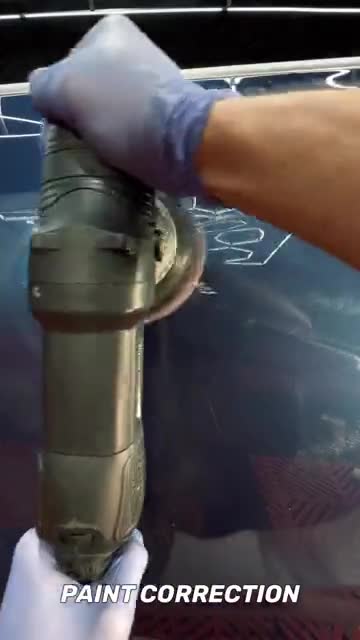
How long do paint corrections take?One day for a single-stage correction on a small car; two to three days for a multi-stage correction on…Read the answer →
Are paint corrections worth it?If the car is being coated or filmed, yes, always: protection over defects seals them in. If it is a…Read the answer →
How much do paint corrections typically cost?Ours start at $500 for a single-stage Elite Stage correction. Two-Step and Three-Step corrections cost…Read the answer →
Is paint correction the same as polishing?Polishing is one step of paint correction. Correction is the whole process: decontamination, measuring…Read the answer →
Is paint correction expensive?It is priced for the labor it is: from $500 for a day of machine work on a small car, more for…Read the answer →
How often should you get a paint correction?As rarely as possible. Clear coat is finite; every correction removes a few microns. Correct once,…Read the answer →
How do you buff out swirl marks?With a machine polisher, a compound matched to the paint, and enough passes to level the clear coat to…Read the answer →
What is the best swirl remover?A machine polisher with a proper compound. No bottle removes swirls by hand; the hand products are…Read the answer →
Why do I still have swirl marks after polishing?Either the polish was too fine to reach the bottom of the scratches, the pad and product were filling…Read the answer →
Are swirl marks permanent damage?No, as long as they are in the clear coat, which they almost always are. A machine correction levels the…Read the answer →
Detailing & Maintenance 9 questions
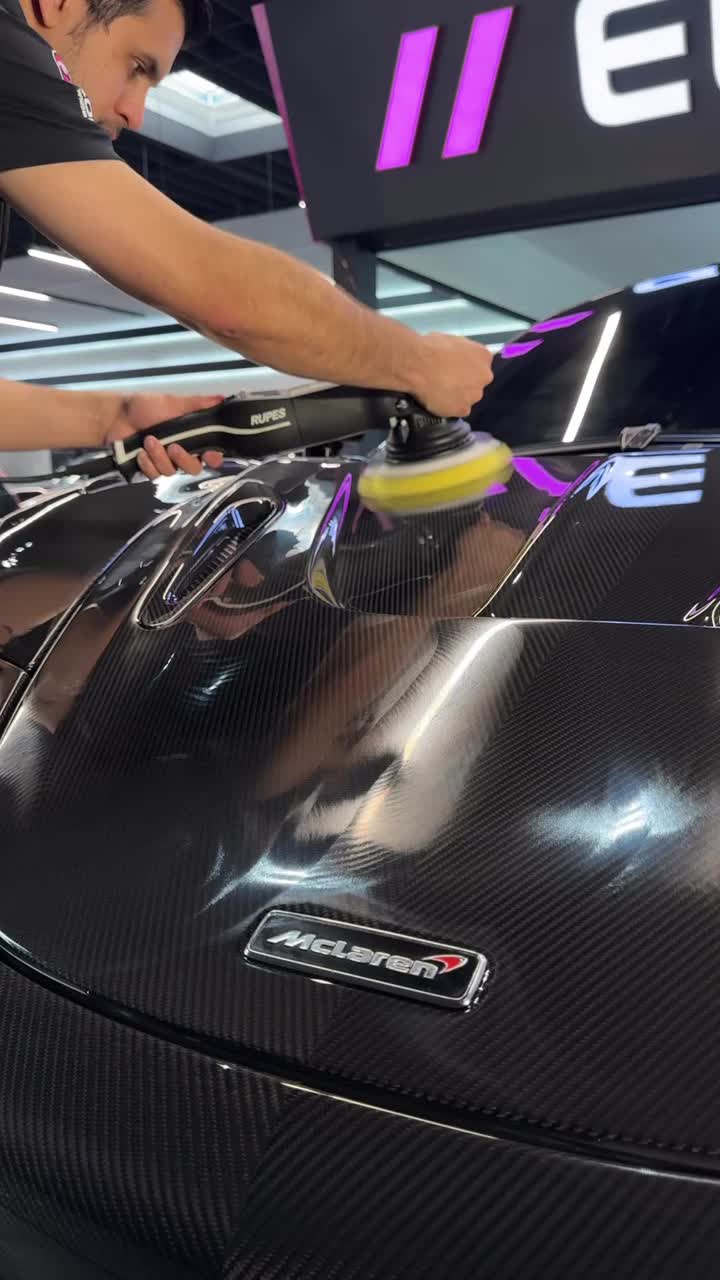
Why is detailing so expensive?Because it is hours of skilled labor, not a car wash. A proper detail decontaminates the paint, cleans…Read the answer →
How long does a full detail usually take?Half a day to a full day. Exterior decontamination and a safe wash are two to three hours; a thorough…Read the answer →
How much does it cost to repair a headlight?Restoring a hazed lens is a few hundred dollars and lasts a season or two; replacing a modern LED…Read the answer →
What does a full interior detail include?Everything you touch and everything you see: vacuum including seams and under seats, steam on hard…Read the answer →
How much should a full detail be?For a real detail, exterior decontamination plus a thorough interior plus protection, expect a few…Read the answer →
Are car detailers worth it?A good one, yes: they do things a car wash cannot, like decontaminating paint, correcting it, and…Read the answer →
How much is a typical detail?A typical full detail from a proper shop is a few hundred dollars, by vehicle size. Ours start at $300…Read the answer →
Is restoring your headlights worth it?Yes, if you protect them afterward. Restoration alone buys a season or two, because the factory UV…Read the answer →
How do you fix cloudy headlights permanently?Restore the lens, then cover it with clear paint protection film. Sanding and polishing clear the haze;…Read the answer →
Calipers 4 questions
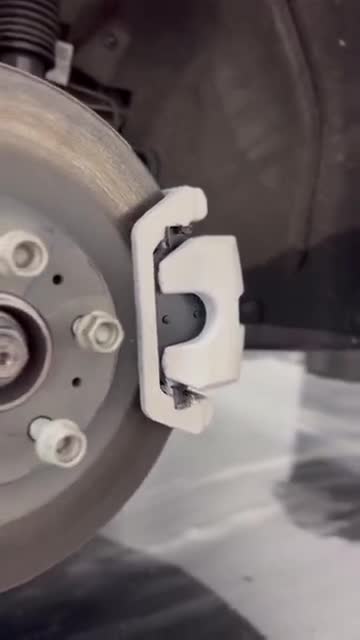
How long will painted calipers last?Done properly, the life of the brakes. Calipers stripped, prepped and finished in a high-temperature…Read the answer →
How much does it cost to repaint brake calipers?Our caliper color change starts at $280 for the set: stripped, prepped, color matched and finished in a…Read the answer →
Is it worth painting brake calipers?If you notice your wheels, yes. Painted calipers are the highest-visibility change per dollar on a car,…Read the answer →
Is it cheaper to paint or wrap brake calipers?Paint. Vinyl does not survive caliper temperatures, and the "caliper wrap" products sold online are…Read the answer →

Reputation
200+ five-star Google reviews. Zero shortcuts.
Whether you want…
← swipe / use the arrows →
Showing 176 of our verified 5-star Google reviews · see them all on Google →
Get in touch
Three ways to start
Get an instant quote Build your quote online → Call or text Visit the shop5150 SW 48th Way, Unit 614
Davie, FL 33314
Davie, FL 33314
Mon–Sat · 9 AM – 5 PM
Get directions on Google Maps →