Three kinds of film
- Dyed. Color from dye. Cheap, blocks some visible light, little infrared. Fades purple, bubbles.
- Carbon. Carbon particles instead of dye. Does not fade, better heat rejection than dyed, a matte look some people like.
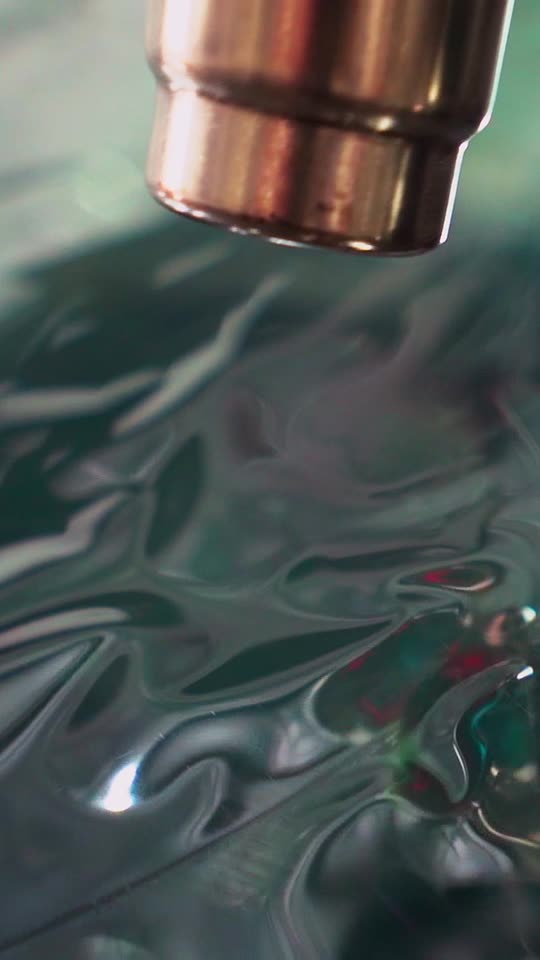
- Ceramic. Ceramic nanoparticles. Blocks infrared and UV without darkening the glass, does not fade, no metal so no interference with phone, GPS or toll transponders.
Heat is the difference you feel
The sun's heat arrives mostly as infrared. Dyed film lets most of it through, so a 5% dyed tint is dark and still hot. Ceramic film blocks the majority of infrared at any darkness, so a legal 35% ceramic front window keeps the cabin cooler than an illegal 5% dyed one. Air conditioning works less, the steering wheel is touchable, and the dash and leather stop cooking.
Signal
Older "metallic" heat-rejecting films used a metal layer that interfered with radio, cell and SunPass. Ceramic has no metal. That is why it replaced them.
Cost
Ceramic costs more per car than dyed. It also does not need to be removed and redone in three years, which is where the dyed film's savings go. We only install ceramic film for that reason.