Starting from $1,799
Every vehicle is different. Get the exact price for your car in 60 seconds.
↑ Select your vehicle to get prices for your exact car.
See your exact prices instantly — takes less than 60 seconds.
Which film is right for you?
Urban delivers true premium protection at a smart entry point. Ceramic Pro PPF is the flagship — maximum durability, gloss and a lifetime warranty.
* Taxes and processing fees not included.
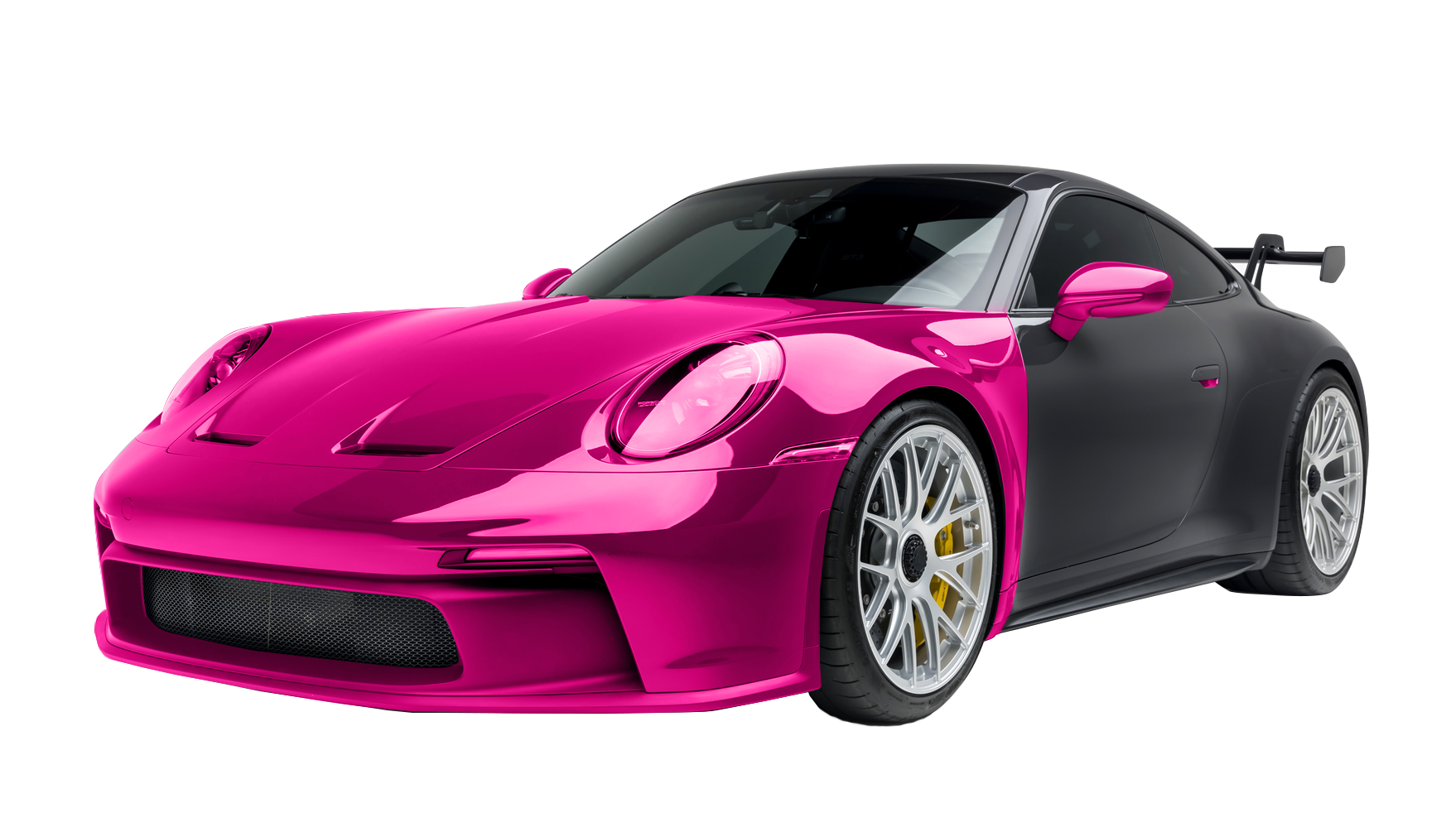
Full Front — panel by panel
Bumper-to-windshield coverage with no visible line across the hood — the tell that gives partial coverage away.
- Full front bumper
- Full hood, edge to edge
- Full fenders
- Mirrors
- Headlights and fog lights
Every package includes a prep wash and decontamination, hand installation of self-healing Ceramic Pro film, and your first maintenance wash on us.
Free Ceramic Pro Sport on the entire exterior
Buy the Full Front PPF package and we coat the whole car — not just the filmed panels. Ceramic Pro Sport adds gloss, makes washing effortless and protects the paint the film doesn’t cover.
A $549 value — included
Paint protection film, going on
Real work in our Davie shop — no stock footage.
← swipe / scroll →
What Full Front film guards against
We say guards against and absorbs — not “chip-proof.” Extreme impacts can still mark the film, and when they do, the film is protecting the paint underneath exactly as designed.
Self-healing on top, ceramic-slick on the surface
Heals itself
A self-healing top coat reflows with heat from the sun or warm water — fine swirls and wash marks simply disappear. The ceramic-coated grade heals almost on contact.
Ceramic-slick surface
A hydrophobic, nano-ceramic top layer beads water and repels bird droppings, sap and bugs, so contaminants rinse off before they can etch. Ceramic Pro rates its ceramic-coated PPF at up to 30% more stain resistance than other top PPF brands.
Stays clear, won’t yellow
UV inhibitors keep the film optically clear and your paint from oxidizing — backed against yellowing, cracking and peeling.
Certified. Hand installed. No shortcuts.
We’re a Ceramic Pro Certified Elite Dealer. Here’s what that means on your car.
Prep wash & decontamination
The paint is washed and decontaminated first. Film traps whatever is underneath it, so nothing goes on over a dirty panel.
Vehicle-specific patterns
Every piece is cut from a digital pattern made for your exact year, make and model. Never a razor blade on your paint.
Hand installed in a clean bay
Installed by hand in a dedicated, clean bay — not outdoors, not in a rush. Edges are wrapped where the panel allows.
Inspection & first wash
We inspect the whole car before it leaves, and your first maintenance wash is on us.
Manufacturer-backed and CARFAX-documented
Lifetime or 10 years
Ceramic Pro PPF carries a Lifetime Warranty against yellowing, cracking and peeling. Ceramic Pro Urban carries 10 years. Both are manufacturer-backed — not a shop promise.

On your CARFAX
Ceramic Pro reports the install to your Vehicle History Report — film, date and certified installer, tied to your VIN, for the life of the car.
Proof when you sell
The next buyer sees the car was protected instead of taking your word for it. Your original factory paint, preserved and provable.
After a collision
PPF is an accessory on your vehicle — carriers have paid to reinstall it. The adjuster usually asks for:
- The CARFAX record of the install
- Your original invoice
- A new invoice to redo it
Every carrier and policy is different — but film with no paper trail rarely gets that conversation started at all. Full warranty terms →
Who chooses Full Front
Highway miles. If you run I-95, the Turnpike or 595 regularly, the whole front end is taking sand and gravel, not just the bumper. This is the package most of our clients choose.
Not sure this is the right level?
Partial Front
Front bumper and headlights — the zones that take almost every rock chip.
Full Front
Hood, fenders, bumper, headlights and mirrors. The level most clients choose.
Track Package
Everything in Full Front plus both A-pillars and the rockers.
Full Body
Every painted panel, edge to edge. Nothing left exposed.

200+ five-star Google reviews. Zero shortcuts.
Whether you want…
← swipe / use the arrows →
Showing 176 of our verified 5-star Google reviews · see them all on Google →
Common questions, answered.
Thinking about paint protection film? Here is what it costs, how long it lasts, what it stops and what it does not, in plain English. Prefer to talk it through? Call us and in five minutes you will know what your car needs.
Paint Protection Film 42 questions
 ▶ Video
 ▶ Video
 ▶ Video
 ▶ Video
 ▶ Video
 ▶ Video
 ▶ Video
 ▶ Video
 ▶ Video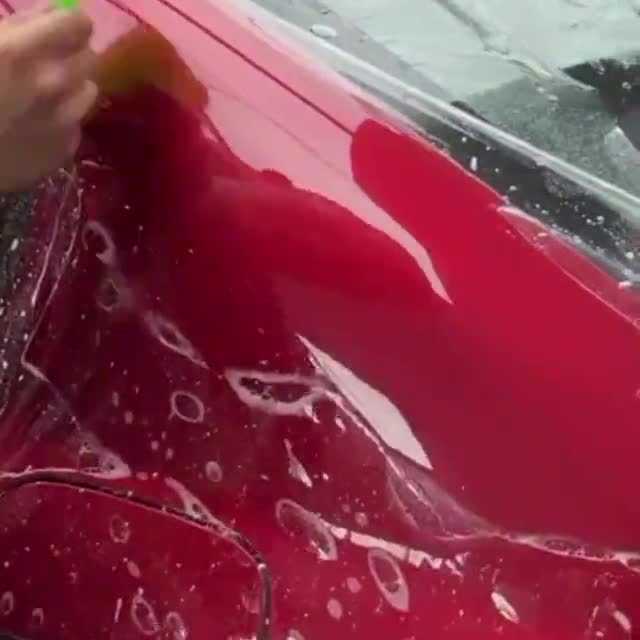
 ▶ Video
 ▶ Video
 ▶ Video
 ▶ Video
 ▶ Video
 ▶ Video
 ▶ Video
 ▶ Video
How long does PPF last?
Paint protection film typically lasts five to ten years or more. Three things decide it: the quality of the film, the quality of the installation, and how you maintain the car afterward. It's not install-and-forget — regular washes with PPF-friendly products keep it looking new, and an annual professional inspection makes sure every panel stays fully covered and protected. Always go to an experienced installer whose film comes with a warranty. PPF isn't forever, but with the right maintenance it's the best way to keep your vehicle looking like new.
What actually wears film out in South Florida
Film does not fail from age. It fails from three things we see every week in the bay: UV, heat, and neglect. A car parked outside in Davie or Hollywood takes roughly 1,700 hours of direct sun a year. Cheap film yellows and cracks under that; Ceramic Pro film uses a UV-stable topcoat and carries a written warranty against yellowing, cracking and delamination: 10 years on Urban, lifetime on Ceramic Pro PPF.
Heat matters because the adhesive is what holds the edges down. A dark car on asphalt in August runs past 150°F on the hood. Film that was stretched too hard at install will lift there first. That is an installer problem, not a film problem, which is why we cut every kit to the panel and never overstretch to hide a seam.
How to make it last the full term
- Wash it like paint, not like a bumper sticker. pH-neutral soap, two buckets, no automatic brushes. Pressure washer is fine at 12 inches or more, never aimed at an edge.
- Keep a coating on it. A ceramic coating over the film blocks the UV that ages the topcoat and stops love-bug acid, bird droppings and sprinkler minerals from etching in. Every Full Front and Full Body we install leaves with a Ceramic Pro coating included.
- Get it looked at once a year. Ten minutes on a lift. We check every edge and re-seat anything that moved before it collects dirt.
What "self-healing" really means for lifespan
The topcoat on Ceramic Pro film re-flows with heat. Light swirls and wash marks disappear on their own after a hot afternoon or a pass with warm water. That is not marketing: it is why a five-year-old Ceramic Pro hood still looks like the day it was installed while unprotected paint next to it is full of swirls.
Is PPF worth it?
It comes down to peace of mind and how long you plan to keep the car. PPF protects against rock chips, scratches, oxidation and UV rays — the kind of damage that can significantly drop your trade-in value. It isn’t bulletproof, but it prevents most paint damage. One thing to avoid is cheap film with no warranty: it yellows over time, lets rocks through, and ends up costing thousands to replace early. Quality film protects both your paint and your resale value.
The math, not the marketing
A front bumper respray at a body shop in Broward runs $600–$1,200 and never quite matches factory paint. A hood is more. Every car that commutes I-95, the Turnpike or I-595 collects chips on the bumper, hood and mirrors from the tires of the vehicles ahead. Full Front PPF from $1,799 covers exactly those panels once, for the life of the film.
If you keep the car five years, the film costs less than one repaint and the car is worth more at resale because the paint underneath is untouched. That is the whole case.
Where we say yes every time
- New cars, especially German and Japanese paint. Modern paint is thin and soft to meet environmental rules. Porsche, BMW, Mercedes, Tesla and most Toyota/Lexus paint chips on the first highway trip.
- Anything black or dark. Chips show white primer and swirls show in every light. Film's self-healing topcoat hides both.
- Leases. Partial Front from $899 covers the bumper and headlights that get billed at return. It costs less than the first excess-wear charge.
Where we tell you not to bother
A ten-year-old daily driver with existing chips: correct the paint and put a coating on it instead. A car you sell in a year: same answer. We would rather do the right job than the bigger one.
What you are paying for
Two-thirds of the price of good PPF is labor: pulling badges and trim, wrapping edges so nothing shows, and doing it in a clean, climate-controlled bay so no dust ends up under the film. The film is Ceramic Pro, Urban or Ceramic Pro PPF, warrantied against yellowing and cracking. Cheap film installed in a parking lot is not the same product, even if the name on the box is.
What are the benefits of paint protection film?
Paint protection film protects your vehicle from scratches, rock chips, staining, corrosion, fading, chemicals, insects, and road debris. It helps keep your paint looking like new, saving you money and improving your resale value. A good quality PPF has self-healing properties that allow small scratches to disappear with the application of heat.
Six things film does that nothing else does
- Stops rock chips. Film is 8 mils of urethane. A stone thrown at highway speed dents it and the topcoat heals; the same stone takes paint down to primer.
- Heals swirls and wash marks. The topcoat re-flows with heat. Light scratches from towels, brushes and fingernails at the door handle disappear on a hot afternoon.
- Blocks etching. Love-bug season (May and September here), bird droppings, tree sap and sprinkler minerals etch clear coat within days. On film they sit on top and wash off.
- Keeps color. Ceramic Pro film is UV-stable and warrantied against yellowing. The paint under it never sees the sun.
- Holds resale value. A used car with original, chip-free paint under film sells for more and faster than one with a resprayed bumper on the Carfax.
- Makes washing easy. Add a ceramic coating over the film and dirt stops sticking. We include the coating with every Full Front and Full Body.
What film does not do
Shopping carts, keys and parking-lot doors hit the film, not the paint: the film takes the mark or gets replaced, and the panel underneath stays untouched. It is not a wrap: it is clear, and on a clean install you cannot see it. It does not replace washing. And it is not forever: expect ten-plus years with care, then it peels off cleanly and the paint underneath is new.
Which panels, in order
Front bumper and headlights take the most hits: that is Partial Front, from $899. Add the hood, fenders and mirrors and you have Full Front, from $1,799, which is what most of our customers choose. Track Package adds the rockers and the A-pillars for cars that live on the highway, from $2,590. Full Body, from $4,990, covers every painted panel.
How much does PPF cost?
It varies with the size of your vehicle, the quality of the film, and how many panels you cover — each panel is individually cut and stretched to its contour. A high-quality full-body installation starts at $4,990 on a compact vehicle and runs to about $6,490 on larger vehicles needing full coverage. A partial kit is far more accessible — a full front starts at $1,799 and a partial front at $899. Start with the high-impact areas that need the most protection and build from there.
Our prices, by package and vehicle size
These are the numbers we quote in the bay. They are the same numbers in the configurator on every offer page. Vehicle size is compact, standard, medium or large: a Miata is compact, a 3-Series is standard, a Model Y is medium, a Tahoe is large.
| Package | Covers | Compact | Standard | Medium | Large | Time |
|---|---|---|---|---|---|---|
| Partial Front Urban 10-yr / Ceramic Pro PPF lifetime | Front bumper, Headlights | $899 $1,090 | $999 $1,190 | $1,099 $1,290 | $1,199 $1,390 | 1-2 days |
| Full Front Urban 10-yr / Ceramic Pro PPF lifetime | Entire hood (wrapped edges), Full fenders, Front bumper, Headlights & mirrors | $1,799 $1,990 | $1,999 $2,200 | $2,199 $2,350 | $2,299 $2,450 | 2-3 days |
| Track Package Urban 10-yr / Ceramic Pro PPF lifetime | Full front end, Both A-pillars, Rockers (side skirts), Headlights & mirrors | $2,590 $2,799 | $2,590 $2,799 | $2,799 $2,990 | $2,799 $2,990 | 3-4 days |
| Full Body Urban 10-yr / Ceramic Pro PPF lifetime | Every painted panel, edges wrapped | $4,990 $5,550 | $5,550 $5,850 | $5,850 $6,450 | $6,490 $6,990 | 4-6 days |
Two films, both Ceramic Pro. Urban is 7.5 mil with a 10-year warranty. Ceramic Pro PPF is 8.5 mil, heals faster and carries a lifetime warranty. Both are clear and installed the same way; the difference is the film and the warranty term.
What moves the price
- Coverage. Partial Front is the bumper and headlights. Full Front adds the hood, fenders and mirrors. Track Package adds both A-pillars and the rockers. Full Body is every painted panel.
- Vehicle size. More square feet of film and more panels to disassemble.
- Film. Urban or Ceramic Pro PPF, above.
- Condition. New paint goes straight to film. Used paint with swirls or chips needs correction first, quoted separately, because film locks in whatever is under it.
What is included at these prices
Every package includes edge wrapping, badge and trim removal where the car allows it, a climate-controlled bay, and a written Ceramic Pro warranty. Full Front and Full Body also include a $549 Ceramic Pro coating over the film at no charge. There is no "premium install" upsell: there is one way we install film.
PPF vs ceramic coating: which one do you need?
They protect in different ways — and many clients get both. PPF is a transparent film applied over your paint that acts as a physical barrier against scratches, road debris and rock chips, with self-healing properties — minor scratches disappear with heat. Ceramic coating is a liquid-glass barrier that adds hydrophobic, self-cleaning properties plus a deep glossy finish, but it doesn’t stop rock chips the way film does. PPF gives physical impact protection; ceramic gives gloss and easy cleaning. The strongest protection combines both.
They solve different problems
Paint protection film is a physical barrier: 8 mils of urethane that absorbs impact. It is the only thing that stops a rock chip. A ceramic coating is a chemical layer a few microns thick: it bonds to the clear coat, makes the surface hydrophobic, blocks UV and stops contaminants from etching. It will not stop a stone.
Pick film if
- The car sees I-95, the Turnpike or I-595 regularly.
- The paint is new and you want it to stay that way.
- It is dark, and chips would show primer.
Pick a coating if
- The car mostly does city miles and lives in a garage.
- Your main complaint is washing, water spots, love bugs and sun fade.
- The paint already has a few chips: correct it, coat it, move on.
Why most of our cars leave with both
Film protects the impact zones; the coating goes over the film and the rest of the car. The coating keeps the film's topcoat from aging in the sun and makes the whole car wash the same. That is why we include a $549 Ceramic Pro coating with every Full Front (from $1,799) and Full Body (from $4,990) install rather than selling it as an add-on.
Cost and lifespan, side by side
| Paint protection film | Ceramic coating | |
|---|---|---|
| Stops rock chips | Yes | No |
| Self-heals swirls | Yes | No |
| Blocks etching / UV | Yes | Yes |
| Easier washing | With coating on top | Yes |
| Typical lifespan | 10+ years | 2 years to lifetime by package |
| Starting price | $899 (Partial Front) | See ceramic packages |
Why is PPF so expensive?
To better understand the price tag of PPF, we need to talk about what goes into the installation process. PPF installation requires thorough prep work in order to ensure that all dust and debris has been removed. This allows the film to properly adhere to the applied surface. Each piece of PPF is custom cut to fit each panel of your vehicle and provide maximum coverage. The quality of the film and the quality of the installation are what gives paint protection film a high price tag.
Where the money actually goes
- Labor is most of it. A Full Front is a full day (2-3 days). Badges come off, mirror caps come off, the bumper edges get wrapped so nothing shows. A full body is several days of the same.
- The film. Ceramic Pro Urban and Ceramic Pro PPF are aliphatic polyurethane with a self-healing topcoat and a 10-year to lifetime warranty. A roll costs what it costs. Cheap PVC "PPF" yellows in a Florida summer.
- The bay. Film is installed wet and every speck of dust that lands during install is there for ten years. Our bay is closed and climate-controlled, and the car stays inside from drop-off to pick-up.
- The warranty. A written manufacturer warranty against yellowing, cracking and delamination is only worth something from an installer who is still around to honor it.
What a $600 "full front" is
Pre-cut kit, edges not wrapped, bumper installed with the badges still on, in an open shop. It looks fine the day you pick it up. Six months later the edges have a dirt line, the corners are lifting at the headlight and the film has a yellow cast. Removing it and doing it properly costs more than doing it right the first time.
How to pay less without paying twice
Cover less, not worse. Partial Front from $899 covers the bumper and headlights, which take most of the hits. Add the hood, fenders and mirrors later as Full Front if you decide the car is a keeper. Same film, same install, same warranty, staged.
Can you ceramic coat over PPF?
Yes — and we highly recommend it. If you know you won't be washing the car every month, adding a ceramic coating on top of your paint protection film buys you time and protection. PPF alone is excellent against physical damage like rock chips; a ceramic coating adds a glossy, hard barrier that also handles chemical damage — especially acidic contaminants like bird droppings that can etch the paint if left too long. Together, film plus coating gives you the most complete, lowest-maintenance protection.
Why the film wants a coating on top
PPF's topcoat is what self-heals and what keeps the film clear. It is also what takes the UV, the love-bug acid and the sprinkler minerals. A ceramic coating bonded to the topcoat takes those hits instead. The film stays clearer for longer, and water, dust and bugs slide off the way they do on coated paint.
Does it stop the film from self-healing?
No. The coating is a few microns thick and flexible; the healing happens in the urethane underneath and works exactly the same through it. What you lose is nothing. What you gain is a car that washes in ten minutes.
What we use
Ceramic Pro coatings formulated for film, applied after the install has cured. It is the same Ceramic Pro chemistry we put on paint, chosen for the film's topcoat. We include a $549 Ceramic Pro coating at no charge with every Full Front (from $1,799) and Full Body (from $4,990) install, and coat the uncovered panels at the same time so the whole car behaves the same in a wash.
Caring for coated film
- pH-neutral soap; skip anything with wax or "gloss enhancers", which sit on top of the coating and streak.
- No automatic brush washes. Touchless is fine.
- Dry with a plush towel or a blower. The coating sheds most of the water on its own.
- A maintenance detail once a year keeps the hydrophobics at full strength.
What does the Ultimate Armor package include?
The Ultimate Armor package is our best-selling combination of Ceramic Pro PPF and coatings. Paint protection film goes on the front nose and high wear-and-tear areas, Ceramic Pro coatings are installed over the entire exterior and on top of the film, and Ceramic Pro Glass plus Wheel & Caliper coatings finish every surface — layered protection with a lifetime warranty.
What it is
Ultimate Armor is Ceramic Pro's name for the complete job: every painted panel wrapped in Ceramic Pro PPF, then a Ceramic Pro coating applied over the film, the glass, the face of the wheels and the plastic trim. Nothing on the exterior is left bare.
What that means in practice
- Rock chips: stopped everywhere, including the rear quarters and rockers that your own tires sandblast.
- Swirls: the whole car self-heals, not just the front.
- Etching, UV, water spots: the coating handles them on every surface, including the windshield and the wheels.
- Washing: the whole car behaves like glass. A rinse and a dry.
Time and price
Full Body takes 4-6 days in our bay; the car stays inside the whole time. Our Full Body PPF offer starts at $4,990 in Urban film and $5,550 in Ceramic Pro PPF, and the Ceramic Pro coating over the entire exterior, glass, wheel faces and trim is included at no charge. That is the Ultimate Armor package.
Who it is for
New performance and luxury cars that will be kept, especially in dark colors. Collector cars that get driven. Anything where a respray would never match. If the car is a lease or a short-term keeper, Full Front from $1,799 is the better spend.
What is the downside of PPF?
Three real downsides: the price, the fact that a bad install shows (edges, dirt, stretch marks), and that it is not permanent. Everything else you read about yellowing and peeling is a cheap-film or cheap-installer problem, not a PPF problem.
The downsides that are real
- It costs money up front. Full Front from $1,799, Full Body from $4,990. That is more than a coating and much more than wax. It is less than one bumper respray, but you pay it on day one.
- The installer matters more than the film. Film is installed wet, by hand, in a room. Dust under it, lifted edges, stretch marks on a bumper corner and visible seams are all installer mistakes, and they are permanent until the panel is redone.
- It is not forever. Ceramic Pro Urban is warrantied for 10 years, Ceramic Pro PPF for life, but any film eventually comes off. The good news is that the paint under it is new when it does.
The downsides that are myths
- "PPF yellows." Cheap PVC film does. Ceramic Pro film has a UV-stable topcoat and a written warranty against yellowing.
- "PPF damages the paint when removed." Only on repainted panels, or when a film is left far past its life. Factory paint under properly removed film looks like the day it was covered.
- "You can see it." On a clean install with wrapped edges, you cannot. What people see on other cars is a visible seam or a dirt line at an unwrapped edge.
How we take the installer risk off the table
Closed, climate-controlled bay. Badges and trim off. Edges wrapped. One way to install, no "premium install" tier. And a written Ceramic Pro warranty that we are still here to honor.
Is it cheaper to wrap or PPF a car?
A color-change wrap is usually cheaper than full-body PPF, but they do different jobs. Wrap changes the color and gives light protection for five to seven years. PPF is clear, twice as thick, self-heals, and stops rock chips for ten years or more.
The price question, answered straight
For the whole car, a quality color-change wrap in Inozetek, 3M or Avery costs less than Full Body PPF, which starts at $4,990. For the front only, Full Front PPF from $1,799 is often comparable to wrapping the same panels, because the labor is similar and film is film.
Why the price is not the point
- Wrap is a color. 3 to 4 mil cast vinyl. It changes how the car looks and takes light abrasion. A rock at highway speed goes through it.
- PPF is armor. 7.5 to 8.5 mil urethane, clear, self-healing. It exists to stop chips and swirls. It does not change the color.
- Lifespan. Wrap: five to seven years in Florida sun with care. PPF: 10 years warrantied on Urban, lifetime on Ceramic Pro PPF.
When each one wins
You want a new color: wrap. You want the color you have to stay perfect: PPF. You want both: colored or matte PPF gives the finish change and the protection in one film, from $5,549 for a full car.
The combination most people miss
Wrap the car and put PPF on the front bumper and hood over the wrap. Chips on a wrapped nose are the number one reason wraps get redone early.
Is matte PPF better than a matte wrap?
For a car you drive, yes. Matte PPF is twice as thick, self-heals and does not stain the way matte vinyl does. Matte wrap is cheaper and wins only if you want a specific color the film does not come in.
The problem with every matte finish
Matte cannot be polished. A swirl, a bird dropping etched in, a scuff from a wash mitt: on gloss paint you polish it out; on matte you live with it or replace the panel. That is true for matte paint and it is true for matte vinyl.
Why matte PPF changes that
- Self-healing. The topcoat re-flows with heat. Light scratches and wash marks disappear.
- Stain resistance. Ceramic Pro Matte PPF is built to shed bugs, bird droppings and sprinkler water instead of absorbing them.
- Thickness. 8 mil of urethane stops rock chips. Matte vinyl at 3 to 4 mil does not.
- Edge seal. Edges are sealed so dirt does not creep under and show as a dark line, the classic matte-wrap failure.
Where matte wrap still wins
Color range and price. Vinyl comes in hundreds of matte and satin colors; PPF comes in a smaller set. And a matte wrap costs less than matte PPF, which starts at $5,549 for a full car.
Our recommendation
Factory matte paint: protect it with matte PPF, always. Gloss paint you want matte: matte PPF if you keep the car and drive it; matte wrap if the specific color matters more than durability, and then PPF the front bumper over the wrap.
Can I go through a carwash with PPF?
Touchless, yes. Brush or cloth automatic washes, no. The brushes drag grit across the film and scuff the topcoat; on a coated film they strip the coating. Wait seven days after install before any wash.
The first week
Film is installed with a slip solution and the adhesive bonds as it dries. For seven days: no washing, no pressure washer, no picking at the small water pockets that show under the film. They evaporate through it. After a week the film is fully bonded.
Automatic washes
- Touchless. Fine. High-pressure water and detergent, no contact.
- Brush or cloth. No. The brushes carry the grit of every car before you and drag it across the film. The self-healing topcoat handles light marks, but not that, every week, for years.
Pressure washers
Fine at 12 inches or more, fanned nozzle, never aimed along an edge. An edge hit point-blank at close range can lift.
Hand washing, the right way
- Two buckets, pH-neutral soap, a clean mitt.
- Wash top-down, rinse often.
- Dry with a plush towel or a blower. Do not dry-wipe dust.
- No wax with abrasives, no "cleaner waxes", no compounds. A spray sealant made for film, or the Ceramic Pro coating we include with every Full Front and Full Body, is all it needs.
Should you get paint protection on a new car?
Yes, and the first month is the best time. New paint is thin, soft and perfect; film locks that in before the first highway trip puts chips in the bumper. A coating protects against the sun and etching but not rocks.
Why new is the right time
Modern paint is applied thinner than it was twenty years ago, to meet environmental rules, and it is soft for the first months. Every commute on I-95 or the Turnpike puts chips in the bumper and hood. Film applied before that keeps the paint at zero. Film applied later locks in whatever chips are already there.
What to protect, in order
- Front bumper and headlights. Partial Front from $899. Takes most of the hits.
- Hood, fenders, mirrors. Full Front from $1,799. What most new-car owners choose. Includes a $549 Ceramic Pro coating.
- Rockers and A-pillars. Track Package from $2,590, for cars that live on the highway.
- Everything. Full Body from $4,990, with the coating over the whole exterior.
Coating alone
A ceramic coating blocks UV, stops etching from love bugs and sprinklers, and makes washing easy. It does not stop rocks. On a garage-kept city car it can be enough. On anything that sees the highway, it is the second layer, not the first.
What to skip
The dealership "paint protection package". It is usually a sealant applied in the service lane, priced like a coating, without the paint correction or the warranty. Ask what product it is and who installs it. Then bring the car to a shop that does this all day.
Is dealership paint protection worth it?
Usually not. Most dealership "paint protection" is a spray sealant applied by the detail lane, sold at a coating price with no paint correction and a warranty full of exclusions. A real ceramic coating or PPF from a specialist costs about the same and lasts years, not months.
What the finance office is selling
The package is usually a sealant or a consumer-grade coating applied in the service lane, often in under an hour, without decontamination or paint correction. It is priced between $700 and $2,000 and rolled into the loan. The "lifetime warranty" typically covers specific stains only, requires annual paid reapplication, and excludes almost everything that actually happens to paint in Florida.
Questions that settle it
- What product, by name? If they cannot say, that is the answer.
- Who applies it, and where? A service lane is not a controlled bay.
- Is the paint corrected first? A coating over dealer-lot swirls locks the swirls in.
- Does it stop rock chips? No sealant or coating does. Only film.
What the same money buys here
Full Front PPF from $1,799 with a $549 Ceramic Pro coating included, or a Ceramic Pro coating package from $499 applied to corrected paint in our bay, with a manufacturer warranty from 2 years to lifetime depending on the package. Ceramic Pro is an authorized Elite Dealer program; the registration and warranty are ours to honor.
If you already bought it
Do not panic and do not pay to reapply it. Bring the car in. We inspect what is on the paint, correct if needed, and put real protection on top. Most dealer sealants come off with the decontamination wash.
What are the drawbacks of colored PPF?
Fewer colors than vinyl, a higher price than a wrap, and a finish that is a film, not paint: you can see edges if the install is careless. In exchange you get a color change that self-heals and stops rock chips.
The drawbacks, honestly
- Color range. Vinyl comes in hundreds of colors and finishes. Colored and matte PPF comes in a curated set. If you need a specific shade, wrap wins.
- Price. Colored PPF is a protection film with pigment; it costs more than a color-change wrap for the same car. Full-car matte PPF starts at $5,549.
- Install tolerance. Colored film shows a bad edge more than clear film. It needs wrapped edges, trim off, and a clean bay, or you see it.
- Repair. A damaged panel means replacing the film on that panel. Color matching between batches is good but not guaranteed years later.
What you get in exchange
- 8 mil of urethane. Rock chips stop at the film.
- Self-healing topcoat. Swirls and wash marks disappear with heat.
- Stain resistance that matte vinyl does not have.
- Removal that leaves the factory paint untouched, which matters at resale.
Our recommendation
Keeping the car, want a matte or satin version of what you have: matte PPF. Want a bold color and plan to change it in a few years: wrap, and put clear PPF on the front bumper and hood over the wrap.
What are the negatives of PPF?
Cost, installer dependence, and a finite lifespan. Those are the negatives. Yellowing, peeling, orange peel and visible edges are negatives of bad film or bad installs, and they are avoidable.
Negatives of the product
- Price. Partial Front from $899 to Full Body from $4,990. It pays for itself against one respray, but it is money now.
- Lifespan. 10 years warrantied on Ceramic Pro Urban, lifetime on Ceramic Pro PPF. Not forever, and eventually it is removed and replaced.
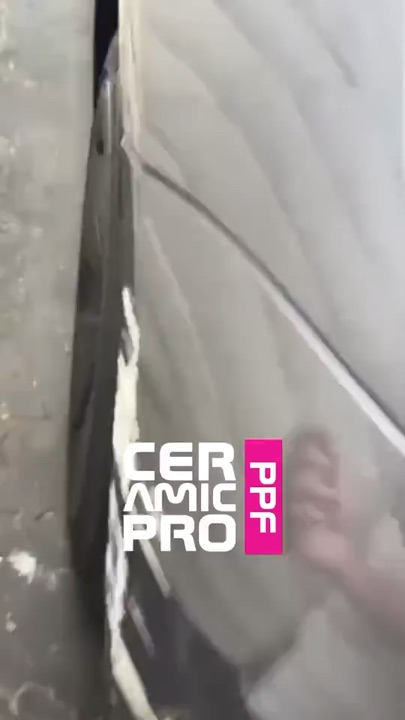
- It is not a bumper. A collision goes through anything. Short of that, carts, keys and door dings mark the film and the film is replaced; the paint underneath stays untouched. We have a customer video of a full front bumper saved exactly that way.
Negatives of the installer, which you can avoid
- Visible edges and seams. Avoided by wrapping edges and removing badges and trim instead of cutting around them.
- Dust and hair under the film. Avoided by a closed, climate-controlled bay. Ours is.
- Stretch marks and lifted corners. Avoided by not overstretching to hide a seam and by relief cuts where the panel needs them.
- Yellowing. Avoided by using film with a UV-stable topcoat and a written warranty. Cheap PVC "PPF" yellows in one Florida summer.
What to ask any shop
Which film, by name. Whether edges are wrapped. Where the car is installed. Who backs the warranty. If any answer is vague, the negatives above become yours.
Is Ceramic Pro PPF any good?
Yes. Ceramic Pro PPF is an 8.5 mil aliphatic polyurethane film with a self-healing, hydrophobic topcoat and a lifetime warranty; Ceramic Pro Urban is the 7.5 mil, 10-year version. We install both every day and the warranty is backed by the manufacturer, not just by us.
What it is
- Ceramic Pro PPF: 8.5 mil, self-healing topcoat with built-in hydrophobics, lifetime warranty against yellowing, cracking and delamination.
- Ceramic Pro Urban: 7.5 mil, self-healing, 10-year warranty. The value option, same install.
What makes it different
The topcoat is engineered to take a Ceramic Pro coating, which is why we can include a $549 coating with every Full Front and Full Body install and have the whole car behave the same in a wash. Stain and yellowing resistance are rated superior to Urban, and the film is thicker than most competitors' standard lines.
Compared with XPEL and the others
Against XPEL, SunTek and STEK on the numbers: Ceramic Pro PPF is thicker than their standard lines at 8.5 mil, carries a lifetime warranty where they carry 10 to 12 years, and is the only film with a Ceramic Pro coating system engineered for it. That is why the $549 coating comes included with every Full Front and Full Body.
What we see after years on the road
Cars we filmed years ago come back for maintenance details with the front end still clear and the paint underneath untouched. The failures we fix are almost always other shops' installs: unwrapped edges and dirt lines, not film breaking down.
Can PPF be done on a matte finish?
Yes, with matte PPF. Clear gloss film on matte paint would make it shiny; matte PPF keeps the factory satin look while adding rock-chip protection, self-healing and stain resistance that matte paint desperately needs.
Why matte paint needs it more than gloss
Matte paint cannot be polished, waxed or compounded. A bird dropping etched in, a scuff from a wash mitt, a chip on the bumper: on gloss you correct it, on matte you repaint the panel. Matte PPF puts a sacrificial, self-healing layer on top so those things happen to the film instead.
Does it change the look?
No. Ceramic Pro Matte PPF is engineered to match a factory satin finish. Side by side with an unwrapped panel it is hard to tell; we do a test panel on request before committing to the car.
How it is installed
Same as gloss film: trim and badges off, panels cut to the car, edges wrapped, installed wet in our climate-controlled bay. Matte film shows imperfections more than gloss, so the bay and the prep matter even more.
What it costs
Full-car matte PPF starts at $5,549. Front-only matte coverage is quoted per car. Every install carries the Ceramic Pro warranty against yellowing, cracking and delamination.
Aftercare
pH-neutral soap, no wax, no polish, no automatic brushes. Matte PPF is far more forgiving than matte paint, but the rules are the same.
How much does it cost to install PPF on a Tesla Model Y?
A Model Y is a medium vehicle in our matrix: Partial Front $1,099, Full Front $2,199, Track Package $2,799, Full Body $5,850 in Ceramic Pro Urban. Full Front and Full Body include a $549 Ceramic Pro coating.
Model Y prices, Ceramic Pro Urban
| Package | Covers | Urban 10-yr | Ceramic Pro PPF lifetime |
|---|---|---|---|
| Partial Front | Front bumper, headlights | $1,099 | $1,290 |
| Full Front | Hood, fenders, bumper, headlights, mirrors | $2,199 | $2,350 |
| Track Package | Full front plus A-pillars and rockers | $2,799 | $2,990 |
| Full Body | Every painted panel | $5,850 | $6,450 |
Model 3 is standard size (Full Front $1,999). Model S and X are large. Pick your exact car in the configurator on any offer page and the number matches the counter.
Why Tesla paint needs film
Tesla paint is thin and soft, and every owner forum says the same thing: chips on the front bumper and hood within the first months, and rocker panels sandblasted by the car's own tires. Film is the only thing that stops both.
What is included
Trim and badge removal where the car allows, wrapped edges, a climate-controlled bay, a written Ceramic Pro warranty, and on Full Front and Full Body a $549 Ceramic Pro coating over the film at no charge.
Warranty
PPF does not void a Tesla warranty. It is a removable film on the paint; Tesla's warranty covers the car, and Ceramic Pro's warranty covers the film.
Should I get paint protection from the dealer?
No. Buy the car from the dealer and bring it to a specialist for protection. The dealer package is applied in a service lane, sold at a premium in the finance office, and rarely includes real paint correction or a warranty that means anything.
What the dealer package is
A sealant or entry-level coating, applied quickly, without decontamination or correction, priced at $700 to $2,000 and financed. The warranty covers specific stains, needs paid annual reapplication and excludes rock chips, which is what actually happens to a new car in South Florida.
What a specialist does with the same money
- Film on the impact zones. Full Front PPF from $1,799: hood, fenders, bumper, headlights and mirrors, with a $549 Ceramic Pro coating included.
- A real coating. Ceramic Pro packages from $499 on corrected paint, warrantied from 2 years to lifetime by package.
- A bay, not a lane. Closed, climate-controlled, and the car stays inside from drop-off to pick-up.
The timing
Take delivery, do not wash it at the dealership, bring it in within the first two weeks. New paint is at its best right now. Film locks that in; a coating over dealer-lot swirls locks those in instead.
If you are being pressured at signing
Decline it. It is optional, it is not required for the loan, and you can always add protection later. The only thing you cannot undo is the first chip.
What are the disadvantages of paint protection film?
It costs more than a coating, it depends on the installer more than any other product we sell, and it lasts a decade rather than forever. Those are the disadvantages. Yellowing and peeling are disadvantages of cheap film, not of paint protection film.
Three disadvantages that apply to all film
- Price. Partial Front from $899, Full Front from $1,799, Full Body from $4,990. It is a real expense, paid up front, and it only pays back if the car is kept or resold with its paint intact.
- Installer dependence. Film is a hand-installed product. The result depends on the room, the prep, the cutting and the edges. The same roll of film can be invisible or ugly depending on who put it on.
- Lifespan. Ceramic Pro Urban carries a 10-year warranty, Ceramic Pro PPF a lifetime warranty, but film is a consumable layer by design. One day it comes off and the paint under it is new.
Disadvantages that come from cheap film
- Yellowing after a summer or two.
- Cracking and delamination at edges.
- Adhesive left on the paint at removal.
- Orange-peel texture that shows in the sun.
Every one of those is excluded by a manufacturer warranty on a top-line film, and none of them show up on Ceramic Pro film installed properly.
What we do about the installer risk
Closed climate-controlled bay, trim and badges off, wrapped edges, and one install standard. Look at our gallery, then look at the edges on any car in the lot next door.
Is XPEL the best PPF?
XPEL is the most advertised PPF brand. On the numbers, Ceramic Pro PPF is thicker at 8.5 mil, carries a lifetime warranty instead of 10 years, and is the only film built to take a Ceramic Pro coating. The install and the warranty behind it are what separate one car from another.
How the top films actually compare
| Ceramic Pro PPF | Ceramic Pro Urban | XPEL Ultimate Plus | |
|---|---|---|---|
| Thickness | 8.5 mil | 7.5 mil | 8 mil |
| Self-healing | Yes | Yes | Yes |
| Hydrophobic topcoat | Built in, coating-ready | Yes | Yes |
| Warranty | Lifetime | 10 years | 10 years |
What the table cannot show
Whether the edges were wrapped. Whether the bumper was installed with the badges on. Whether there is a hair under the hood film. Whether the shop will still be there in year six. Those decide how the car looks, and they have nothing to do with the logo on the box.
Why we install Ceramic Pro
A lifetime warranty on the flagship film, a coating system designed to go over it, and a single manufacturer behind both. We include a $549 Ceramic Pro coating with every Full Front and Full Body install because the film was built for it.
If you were quoted XPEL somewhere else
Bring the quote. We will price the same panels in Ceramic Pro PPF with the lifetime warranty and the $549 coating included, installed with wrapped edges in a closed bay.
Will XPEL PPF turn yellow?
Any film can yellow if the chemistry is wrong: early aromatic urethane did, and cheap PVC film sold as PPF still does. What protects you is a UV-stable aliphatic topcoat and a written warranty against yellowing. Ceramic Pro Urban carries it for 10 years and Ceramic Pro PPF for life.
Why film used to yellow
Early PPF was aromatic urethane. UV breaks the aromatic bonds and the film turns amber, fastest on white and silver cars where it shows most. Cheap "PPF" today is often PVC with the same problem.
Why current film does not
Aliphatic polyurethane with a UV-stable topcoat does not yellow. Ceramic Pro Urban and Ceramic Pro PPF carry written manufacturer warranties against yellowing, cracking and delamination: 10 years on Urban, lifetime on Ceramic Pro PPF. Ask any other brand for the same document in writing before you pay.
What looks like yellowing but is not
- Dirt under an unwrapped edge. A dark line at the edge of a panel. That is an install issue.
- Contamination on top of the film. Road film, sap and sprinkler minerals build a tint over years without washing. A decontamination wash removes it.
- Adhesive discoloration on repainted panels. Non-factory paint can react with any film. We check for it before installing.
How to keep it clear
A ceramic coating over the film blocks UV and stops contamination from bonding. We include a $549 Ceramic Pro coating with every Full Front and Full Body. Wash with pH-neutral soap and skip the brush washes.
Is PPF recommended for a Tesla?
Strongly. Tesla paint is thin and soft, the front end chips in months, and the rockers get sandblasted by the car's own tires. Full Front from $1,999 on a Model 3 and Track Package for the rockers are what we recommend most often.
Why Tesla specifically
Thin, soft paint from a fast production line. Owners report chips on the front bumper and hood within the first few thousand miles, rock rash on the rocker panels behind the front wheels, and swirls from the first automatic wash. All three are exactly what film prevents.
What to film, by model
- Model 3 (standard size): Full Front $1,999 in Urban. Track Package $2,590 adds A-pillars and rockers.
- Model Y (medium): Full Front $2,199. Track Package $2,799. Full Body $5,850.
- Model S and X (large): Full Front $2,299. Full Body $6,490.
Every Full Front and Full Body includes a $549 Ceramic Pro coating over the film.
The rockers
Tesla rockers sit low and wide. The front tires throw sand and gravel straight at them. That is why Track Package, which adds both rockers and A-pillars to the full front, is our most common Tesla recommendation after Full Front.
Warranty and charging
Film does not affect the Tesla warranty; it is a removable layer on the paint. It does not interfere with cameras, sensors or the charge port. We cut around the sensors and the port door so nothing is covered that should not be.
Does PPF void a Tesla warranty?
No. Paint protection film is a removable layer on top of the paint. Tesla's warranty covers the vehicle; it is not voided by film, tint or a coating. What would void a paint claim is damage caused by a bad removal, which is why the installer matters.
What the warranty says
Tesla's new-vehicle warranty covers defects in materials and workmanship. It does not exclude aftermarket cosmetic protection. Under U.S. law a manufacturer cannot void a warranty simply because an aftermarket product was installed; it would have to show that the product caused the specific failure.
What film cannot cause
Film sits on cured factory paint with a pressure-sensitive adhesive designed to come off clean. It does not affect the drivetrain, battery, electronics, cameras or sensors. We cut around sensors and the charge port door.
The one real risk
A careless removal, or film left far past its life, can pull clear coat on a repainted panel. That is an installer issue and it is why we check for non-factory paint before installing and remove film with heat, slowly, when the time comes.
Paint claims
Tesla paint claims are about defects in the paint itself, and they are hard to win once the car has been on the road. Film does not change that. What film changes is whether you ever need one: chips and swirls happen to the film, not the paint.
Which brand of PPF is considered the best?
The names you will hear are Ceramic Pro, XPEL, SunTek and STEK. On the numbers, Ceramic Pro PPF is the thickest flagship at 8.5 mil, the only one with a lifetime warranty, and the only one with a coating system built for the film. After that, the installer decides the result.
The numbers
| Ceramic Pro PPF | XPEL Ultimate Plus | SunTek Ultra | STEK DYNOshield | |
|---|---|---|---|---|
| Thickness | 8.5 mil | 8 mil | 8 mil | 8 mil |
| Warranty | Lifetime | 10 years | 12 years | 10 years |
| Coating system for the film | Yes, included with Full Front and Full Body | Sold separately | Sold separately | Sold separately |
What the numbers mean
Thicker film absorbs more impact. A lifetime warranty means the manufacturer expects the film to outlast the car. A coating engineered for the film keeps the topcoat clear and makes the whole car wash the same. Those are the three things we would ask of any brand, and Ceramic Pro PPF is the one that answers all three.
What separates cars in practice
Whether the edges are wrapped. Whether trim came off. Whether the bay was clean. Whether the shop pre-cut from a generic pattern or cut to the car. Two cars with the same film from two shops can look like different products.
Our take
Pick the shop first, then make it justify the film. We install Ceramic Pro PPF and Urban because of the thickness, the lifetime warranty and the coating integration, and we include a $549 Ceramic Pro coating with every Full Front and Full Body.
What is the best color PPF?
The best colored PPF is a protection film with color, not vinyl with a protection claim: 8 mil of urethane, self-healing, warrantied. Ceramic Pro Matte, Black and colored films protect like clear film and change the finish like a wrap.
What colored PPF is
An 8 mil urethane protection film with pigment or a matte topcoat. It changes the finish like a wrap and stops rock chips like clear film. It is not vinyl; it is thicker, self-heals, and comes off clean.
The options we install
- Ceramic Pro Matte PPF: turns gloss paint satin, self-heals, stain resistant, full car from $5,549. The one we install most.
- Ceramic Pro Black PPF: gloss black color change with full protection.
- Ceramic Pro colored films: color change in an 8 mil protection film with the same warranty.
Other brands sell fashion films in more colors. We install Ceramic Pro because the film, the coating and the warranty come from one manufacturer.
Which finish for Florida
Satin and matte hide dust and water spots better than gloss and do not show swirls. Black gloss shows everything; if you want it, put a Ceramic Pro coating over the film so it washes without touching. Every colored film needs pH-neutral washing and no automatic brushes.
Colored PPF versus wrap
Wrap: more colors, lower price, no chip protection, five to seven years. Colored PPF: fewer colors, higher price, full protection, 10-year to lifetime warranty. Keep the car and drive it: film. Change colors every few years: wrap, with clear PPF on the nose.
Does PPF damage paint when removed?
Not factory paint, when it is removed properly. Film is designed to come off with heat and leave clean paint behind. The two exceptions are repainted panels, where the respray can lift, and film left far past its life.
How film comes off
Heat gun to soften the adhesive, then a slow pull at a low angle. The film comes away in one piece per panel. Any adhesive residue wipes off with a solvent made for it. On factory paint the panel underneath is exactly as it was the day it was covered, which is usually better than the rest of the car.
When it can damage paint
- Repainted panels. Aftermarket paint does not bond to the primer the way factory paint does. Film adhesive can pull it. We check paint depth and history before installing and tell you which panels are resprayed.
- Film left too long. A 15-year-old film that has gone brittle removes in pieces and the adhesive can stay behind. Replace film inside its warranty term and this never happens.
- Careless removal. Cold film pulled fast at a steep angle. That is a technique problem.
What we see at removal
Customers bring cars for new film after 8 to 10 years and the front end under the old film is the best paint on the car: no chips, no swirls, full gloss. That is the whole argument for film, visible in one afternoon.
Do not do it at home
Removal takes a heat gun, patience and an understanding of where the paint is factory and where it is not. It costs far less to have it done than to fix a lifted edge of clear coat.
Can you remove PPF at home?
You can, but it is slow, it needs a heat gun and patience, and on a resprayed panel it can pull the paint. For most people, having it removed at the shop costs less than fixing one mistake.
The method
- Wash the panel so nothing scratches while you work.
- Warm the film with a heat gun or a steamer until it is pliable, never hot enough to touch the paint.
- Lift a corner with a plastic edge, never a blade.
- Pull slowly at a low angle, keeping the film warm as you go.
- Remove adhesive residue with an adhesive remover made for automotive paint, then wash again.
Where it goes wrong
- Cold film tears into strips and leaves adhesive behind.
- Too much heat softens clear coat.
- A blade at the corner scratches the paint.
- A resprayed panel lifts with the film. You will not know it was resprayed until it happens.
- Very old, brittle film comes off in pieces and takes hours per panel.
When to bring it in
Film older than its warranty term, any panel that may have been repainted, or a full-body removal. We remove, decontaminate, inspect the paint and, in most cases, install new film the same visit.
Is PPF hard to install?
Yes. It is the hardest thing we do. Film is installed wet, stretched by hand around compound curves, with badges and trim off and edges wrapped, in a room with no dust. A full front is a day of work by someone who does it every day.
What the job actually is
- Prep. Decontamination wash, clay, inspection under lights. Any defect gets sealed under the film forever, so the paint has to be right first.
- Disassembly. Badges, mirror caps, sensors and trim come off where the car allows so film goes under them instead of around them.
- Cutting. Patterns are cut to the car, then adjusted by hand for wrapped edges. Generic pre-cut kits stop short of the edge and leave a visible line.
- Laying. The panel and the film are wet with slip solution. The film is positioned, then squeegeed out from the center, stretched only where the curve demands it. Too much stretch shows as marks and lifts later.
- Edges. Wrapped around the panel and sealed. This is the step that separates shops.
- Cure. Heat to set the edges, then the car sits inside while the adhesive bonds.
Time
Partial Front {PF_TF}. Full Front {FF_TF}. Full Body {FB_TF}. The car stays in the climate-controlled bay the whole time.
DIY kits
They work on a flat hood on a mild day. They do not work on a bumper, a mirror or a fender edge, and any dust in a garage ends up under the film. Most DIY film we see is removed and redone within the year.
Is it okay to put PPF on headlights?
Yes, and we include headlights in every package starting with Partial Front. Modern headlights are polycarbonate: they chip, pit and yellow in Florida sun. Clear film stops the pitting and the UV, and it is optically invisible on the lens.
Why headlights need it
Headlight lenses are polycarbonate with a thin factory UV coating. Sand and gravel pit the surface, and once the UV coating is compromised the lens yellows and hazes from the inside out. Replacing a modern LED or matrix headlight costs more than most people expect, and "restoration" only buys a season.
What film does
- Takes the pitting instead of the lens.
- Blocks the UV that yellows the plastic.
- Self-heals light scratches with heat.
- Does not change light output or beam pattern; it is optically clear.
What it does not affect
Headlight washers, sensors near the lamp, adaptive lighting, inspections. The film is cut to the lens and does not cover anything that needs to see.
Cost
Headlights are part of Partial Front (from $899, with the front bumper) and every package above it. Headlights alone are quoted per car; most people add the bumper because it takes the same hits.
How soon after PPF can I wash my car?
Wait seven days. The film is installed with a slip solution and the adhesive needs that time to bond fully. Small water pockets and light haze under the film in the first week are normal and clear on their own.
The first seven days
- No washing, no pressure washer, no touchless wash.
- Do not press on the small water pockets or the light haze under the film. That is slip solution evaporating through the film; it clears faster in the sun.
- Keep it out of automatic sprinklers if you can. Mineral spots on uncured film are harder to remove.
- Driving is fine the same day.
After that
Hand wash with pH-neutral soap and two buckets, or a touchless automatic. Never a brush wash. Pressure washer at 12 inches or more, never aimed along an edge. Dry with a plush towel or blower.
What not to use, ever
Compounds, polishes, cleaner waxes, anything abrasive. They scuff the topcoat. A spray sealant made for film is fine. Better: the Ceramic Pro coating we include with every Full Front and Full Body, which makes the film wash like glass.
If a corner lifts in the first weeks
Do not press it down and do not wash over it. Bring the car by; re-seating an edge takes minutes and is covered.
Should you put PPF on a leased car?
Partial Front, yes. The front bumper and headlights are what get billed as excess wear at lease return, and Partial Front from $899 costs less than the first charge. Full body on a lease rarely makes sense unless you plan to buy the car.
What lease returns actually charge for
Chips on the front bumper, chipped or hazed headlights, scuffs on the hood. The inspector runs a card over the panel and anything beyond the wear guide is billed at body-shop prices. A respray of a bumper on the return invoice is $600 and up.
What film does for a lease
- Partial Front from $899: front bumper and headlights. The two items on every return invoice.
- Full Front from $1,799: add the hood, fenders and mirrors if the lease is long or the car is dark.
- Film comes off clean at return, or stays on: many lessees leave it, and it helps the car sell as a CPO.
What does not make sense
Full Body PPF on a three-year lease you will not buy. The math only works if you keep the car. The exception is a buyout you already plan to exercise.
Timing
The first two weeks of the lease. Film over a chip does not remove the chip, and the return inspector will find it.
Why is my PPF getting yellow?
Either it is cheap film reacting to UV, or it is contamination sitting on top of good film. The first needs replacing; the second needs a decontamination wash. A dark line only at the edges is dirt under an unwrapped edge, an install problem.
Cause 1: the film itself
Aromatic urethane and PVC film turn amber under UV, fastest on white and silver paint. If the whole panel has an even yellow cast and the film is a few years old, that is the film. It will not clean off. It needs removal and replacement with a UV-stable film. Ceramic Pro Urban and Ceramic Pro PPF are warrantied against yellowing for 10 years and lifetime respectively.
Cause 2: contamination on top
Road film, tree sap, love-bug residue and sprinkler minerals build a brownish layer on any surface that is not washed and decontaminated. On film it looks like yellowing. A decontamination wash with iron remover and clay takes it off, and a Ceramic Pro coating over the film stops it coming back.
Cause 3: edges only
A dark line along the edge of each panel, with clear film in the middle, is dirt collecting under an edge that was not wrapped. Cleaning helps briefly. The fix is film with wrapped edges.
How to tell
Bring the car in. Ten minutes under the lights with a clay bar on one spot tells us which of the three it is, and what it costs to fix.
How do you wash a vehicle with PPF?
Like good paint, with two extra rules: no brush washes and nothing abrasive. Two buckets, pH-neutral soap, a clean mitt, rinse, dry with a towel or blower. Touchless automatics are fine after the first week.
The routine
- Rinse the whole car to remove loose grit.
- Two buckets: one soap, one rinse, with grit guards. pH-neutral soap.
- Wash top-down with a clean mitt, rinsing the mitt in the second bucket between panels.
- Rinse. Dry with a plush towel or a blower. Do not dry-wipe a dusty car.
What to avoid
- Brush or cloth automatic washes. Touchless is fine.
- Pressure washer closer than 12 inches, or aimed along an edge.
- Compounds, polishes, cleaner waxes, clay with pressure. The topcoat self-heals light marks but abrasives scuff it.
- Letting bugs, bird droppings or sap sit for days. Film resists them better than paint, but nothing likes acid in the sun.
Protection on top
A ceramic coating over the film blocks UV and makes dirt slide off. We include a $549 Ceramic Pro coating with every Full Front and Full Body install. Coated film needs a rinse and a dry most of the time.
Once a year
A maintenance detail: decontamination, inspection of every edge, coating top-up. It keeps the film clear and catches anything early.
What are the disadvantages of PPF?
It costs more than a coating, the result depends heavily on the installer, and it is not permanent. Those are the disadvantages worth weighing. The rest of the list you find online belongs to cheap film.
Real disadvantages
- Upfront cost. From $899 for the bumper and headlights to $4,990 for the whole car. Cheaper than one respray over the life of the car, but paid on day one.
- It is a hand-installed product. The room, the prep and the edges decide the result. Choose the shop, not the brand.
- It has a life. 10 years warrantied on Ceramic Pro Urban, lifetime on Ceramic Pro PPF, and eventually replaced. The paint under it stays new.
Not real disadvantages
- Yellowing: only cheap film.
- Peeling: only unwrapped or overstretched edges.
- Paint damage at removal: only resprayed panels or film left far past its life.
- "You can see it": only when edges are not wrapped.
How to avoid the avoidable ones
Ask which film, whether edges are wrapped, and where the install happens. We use Ceramic Pro film, wrap every edge, install in a closed climate-controlled bay, and include a $549 Ceramic Pro coating with every Full Front and Full Body.
What are the downsides of PPF on cars?
Money, installer, lifespan. PPF costs more than a coating, it looks only as good as the person who installed it, and it lasts a decade or so before it is replaced. What it does in exchange is keep the paint at zero the whole time.
Downside 1: it costs money now
Partial Front from $899. Full Front from $1,799. Track Package from $2,590. Full Body from $4,990. A front-bumper respray in Broward is $600 to $1,200 and never matches. Film is a one-time cost against repairs you would otherwise make more than once.
Downside 2: it depends on hands
Two shops with the same roll of film produce different cars. The difference is in wrapped edges, trim removal, cutting to the car, and a bay without dust. You cannot tell from a price list; you can tell from the edges on their last ten cars.
Downside 3: it is a consumable
Warranted 10 years on Urban and lifetime on Ceramic Pro PPF. One day it comes off. The upside of that downside: the paint under it is the newest paint on the car, and a new film goes on in a day.
What is not a downside
Washing: the same as paint, minus brush washes. Appearance: invisible on a clean install, and with the Ceramic Pro coating we include on Full Front and Full Body, glossier than bare paint. Resale: a car with original, chip-free paint sells faster.
Can PPF be removed easily?
By a shop, yes: heat, a low angle, and it comes off in one piece per panel with clean paint behind it. It is slower than people expect, and it is not a job for a cold garage and a razor blade.
How it comes off
The panel is warmed until the film is pliable, a corner is lifted with a plastic tool, and the film is pulled slowly at a low angle while it stays warm. Adhesive residue, if any, wipes off with a solvent made for paint. A full front takes a couple of hours; a full body most of a day.
What is under it
Factory paint exactly as it was the day the film went on. No chips, no swirls, full gloss. Customers are regularly surprised at how much better the filmed panels look than the rest of the car.
When it is not easy
- Film far past its warranty term that has gone brittle.
- Cheap film with adhesive that was never designed to release.
- Resprayed panels, where the paint can lift with the film.
Then what
Most removals we do are followed by new film the same visit: decontamination, inspection, and a fresh Full Front or Full Body with the Ceramic Pro coating included. The car leaves protected again.
Is a PPF car easier to clean?
Yes, and much easier with a coating on top. Film is smoother than paint and its topcoat is hydrophobic, so dirt and bugs release with less effort. Add the Ceramic Pro coating we include with Full Front and Full Body and most dirt rinses off before you touch the car.
Why film cleans easier than paint
Paint has microscopic texture and pores that hold dirt. Film has a smooth, engineered topcoat that sheds water and does not let contaminants key in. Bugs and bird droppings sit on top instead of etching, and they release with soap instead of scrubbing.
Why coated film cleans easiest
A ceramic coating bonded to the film adds hardness and hydrophobics. Water beads and runs, carrying dirt with it. Most washes become a rinse, a soft mitt on the lower panels, and a dry. We include a $549 Ceramic Pro coating with every Full Front and Full Body install for this reason.
What stays the same
- Two-bucket hand wash or touchless automatic.
- No brush washes, no abrasives.
- Bugs and droppings still come off sooner rather than later.
What gets better
No swirls from washing: the topcoat heals light marks. No etched water spots from sprinklers on coated film. No polishing, ever, on the filmed panels.
What is the highest quality PPF?
The highest quality PPF passes five tests: aliphatic chemistry, 8 mil or more of urethane, a self-healing hydrophobic topcoat, optical clarity, and a written manufacturer warranty. Ceramic Pro PPF passes all five with the thickest flagship film we know of, 8.5 mil, and a lifetime warranty.
What "highest quality" means in film
- Chemistry: aliphatic polyurethane, which does not yellow, over aromatic or PVC, which does.
- Thickness: 8 mil or more of urethane for impact absorption.
- Topcoat: self-healing, hydrophobic, stain resistant.
- Clarity: no orange peel, no haze, invisible on the paint.
- Warranty: written, from the manufacturer, 10 years or more.
How Ceramic Pro PPF scores
Aliphatic polyurethane: yes. Thickness: 8.5 mil, more than the 8 mil standard of the other flagship films. Topcoat: self-healing, hydrophobic, engineered to take a Ceramic Pro coating. Clarity: optically clear, no orange peel. Warranty: lifetime, from the manufacturer. Ceramic Pro Urban (7.5 mil, 10-year warranty) passes the same tests at a lower price.
Why the install decides
A flagship film installed with unwrapped edges in an open shop looks worse in a year than a value film installed properly. Quality you can see is edges, cleanliness under the film, and whether the trim came off.
What we install and why
Ceramic Pro PPF and Urban, cut to the car, edges wrapped, in a closed climate-controlled bay, with a $549 Ceramic Pro coating included on Full Front and Full Body. That combination is the highest quality result we know how to deliver.
Are car dealer protection packages worth it?
Almost never. The package is a sealant applied fast in a service lane, sold at a specialist price in the finance office, with a warranty built around exclusions. Decline it, and put the same money into film and a real coating from a shop that does this all day.
What is in the package
Usually a paint sealant, a fabric protectant and sometimes a "ceramic" product, applied by the dealership's detail lane in an hour, without correction, then a warranty that covers a short list of stains and requires paid annual reapplication. Priced $700 to $2,000 and added to the loan.
Why it is rarely worth it
- No rock-chip protection. Only film does that, and it is never in the package.
- Applied over lot-wash swirls, which it then seals in.
- A sealant's real life is months. The "lifetime" is the warranty's paperwork, not the product.
What the same money buys
Full Front PPF from $1,799 with a $549 Ceramic Pro coating included. Or a Ceramic Pro coating package from $499 on corrected paint, warrantied 2 years to lifetime by package. Both installed in a closed climate-controlled bay, both registered with the manufacturer.
If you already bought one
Bring the car in. Most dealer sealants come off with the decontamination wash and real protection goes on top the same day.
What is PPF?
PPF is paint protection film: a clear, 7.5 to 8.5 mil urethane film applied to the painted panels that take hits, so rock chips, sand, bugs and wash swirls happen to the film instead of the paint. It self-heals with heat and comes off clean years later.
What it is made of
Aliphatic polyurethane, the same family of material as the clear coat on your paint but much thicker and elastic. On top, a self-healing topcoat that re-flows with heat, so light scratches disappear. Underneath, a pressure-sensitive adhesive designed to release cleanly years later.
What it does
- Stops rock chips. A stone dents the film; the paint never knows.
- Heals swirls and wash marks in the sun or with warm water.
- Blocks the UV, love bugs, bird droppings and sprinkler minerals that etch paint.
- Keeps resale value: the paint under it is untouched.
Where it goes
Partial Front (bumper and headlights, from $899); Full Front (adds hood, fenders and mirrors, from $1,799); Track Package (adds A-pillars and rockers, from $2,590); Full Body (every painted panel, from $4,990). Full Front and Full Body include a $549 Ceramic Pro coating.
PPF versus coating versus wrap
A ceramic coating is microns thick: UV, chemical and wash protection, no impact protection. A vinyl wrap changes the color and offers light protection for five to seven years. PPF is clear, stops impacts, and lasts 10 years on Ceramic Pro Urban and for life on Ceramic Pro PPF.
Full Front PPF for all of South Florida
Three ways to start
Get an instant quote Build your quote online → Call or text Visit the shopDavie, FL 33314
Davie · Hollywood · Fort Lauderdale · Pembroke Pines · Weston · Miami
Tesla · Porsche · Mercedes-Benz · BMW · Lexus · Toyota · Land Rover · Corvette · all brands