The fingernail test
Run a nail across the scratch. If it does not catch, it is in the clear coat and machine polishing removes it. If it catches, it is through the clear into the color or primer, and polishing will only soften the edges; it needs touch-up or paint.
What polishing actually does
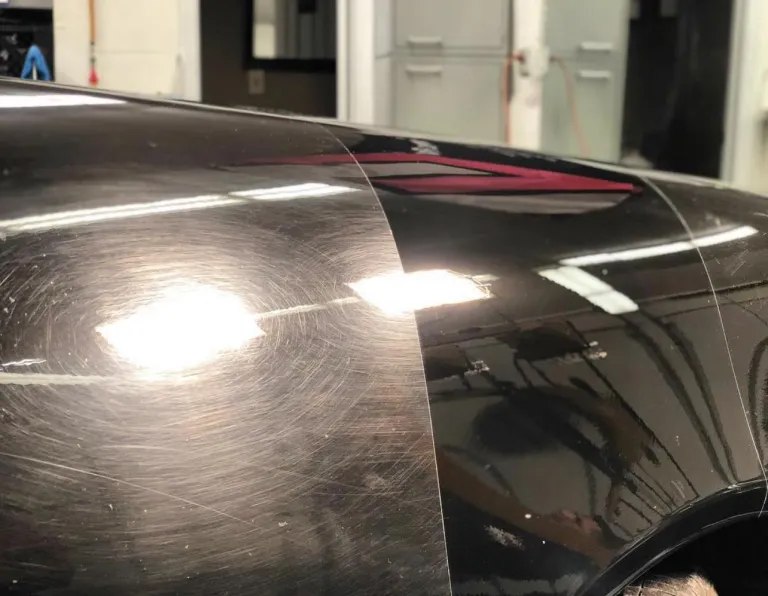
A scratch is a valley. Polishing levels the clear coat around it down to the bottom of the valley so the surface is flat again. Clear coat is about 40–50 microns on a modern car; a proper correction removes a few microns. That is why you can correct a car a handful of times in its life, not every month, and why we measure paint thickness before we start.
Why we do not use fillers
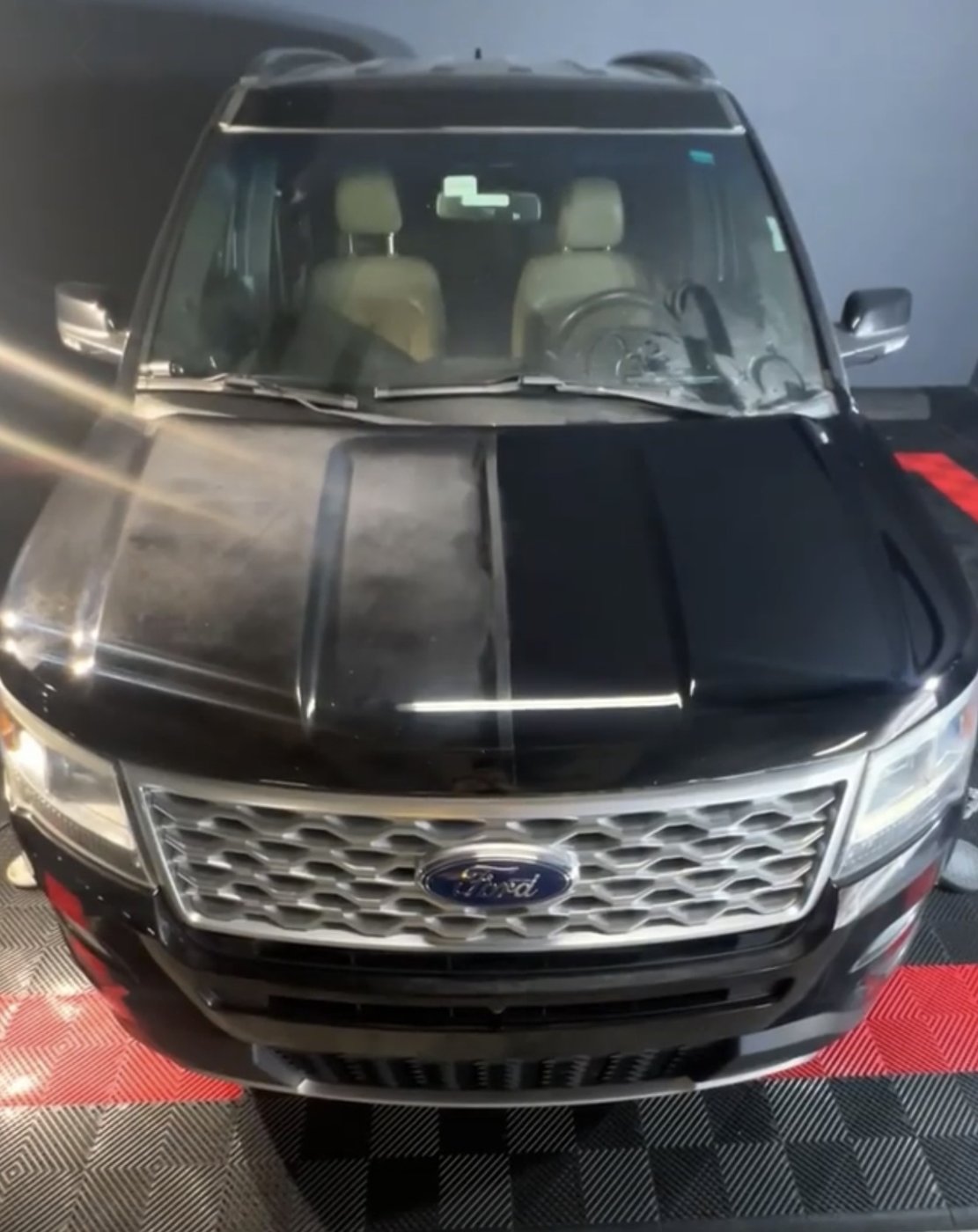
Glazes and "scratch remover" wax fill the scratch so it hides for a few washes and comes back. We remove the defect under inspection lights and then protect the paint so it does not come back.
Deep scratches
Through the clear: touch-up, wet sanding and polishing can make it nearly invisible on a small area. Through to metal or plastic: that is a body-shop respray. We will tell you which one before we touch it.
Keeping the next one off
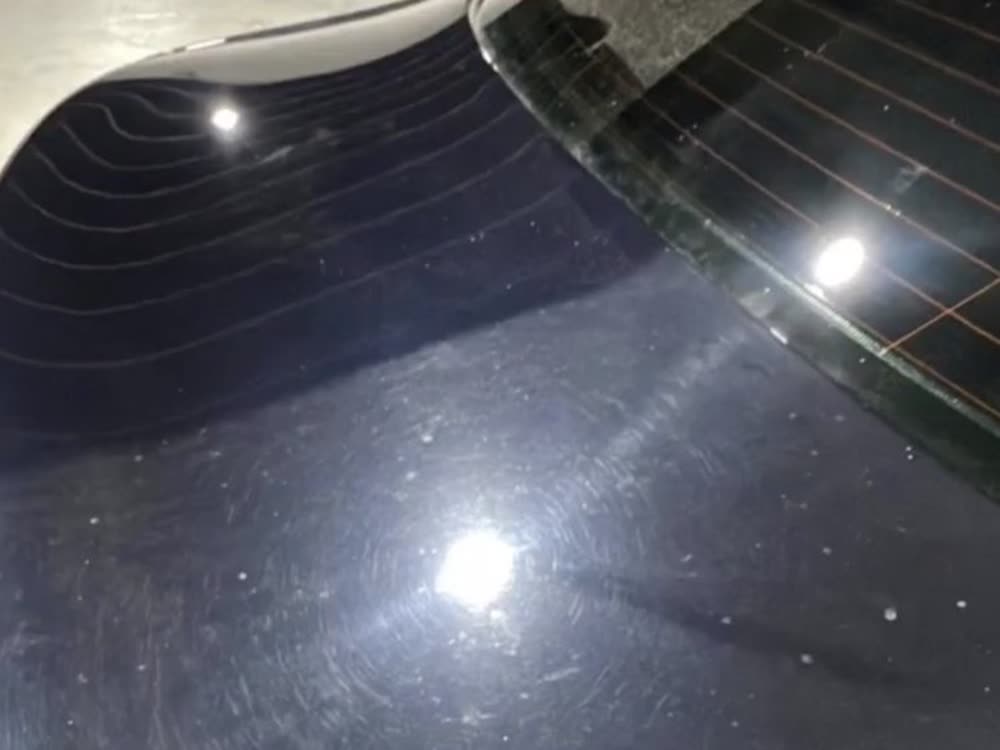
Most scratches we correct are wash marring: brush washes, dirty towels, dry wiping dust. After correction, a ceramic coating hardens the surface against light marring, and paint protection film on the panels that get touched most (bumper, door edges, behind the handles, and the trunk lip) self-heals fine scratches on its own. Correct once, protect, and you will not be back.